
Supplier A
Lighting, mast, stability, mobility, power package and test basis defined.
COMPARABLEThe product is more than mast height and lamp wattage. A buyer should review lighting coverage, mast deployment, stabilization, transport form, power package, weather exposure, service access and the complete functional test before release.
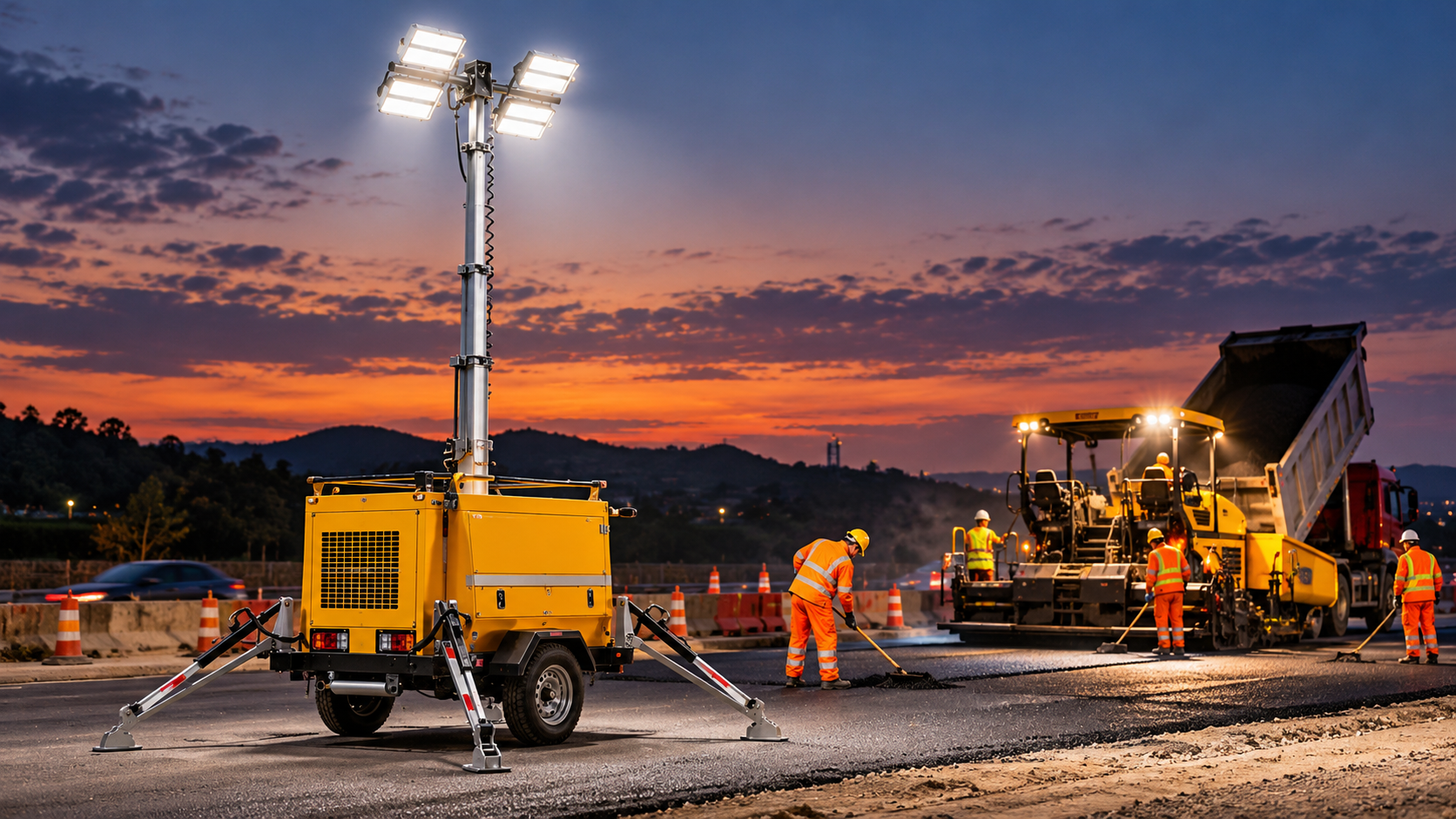
The supplied project photos show both a trailer-mounted unit and a compact wheeled unit with stabilizing legs. They also show multiple LED light-head arrangements and extended telescopic masts. Those visible differences should drive the buying review.
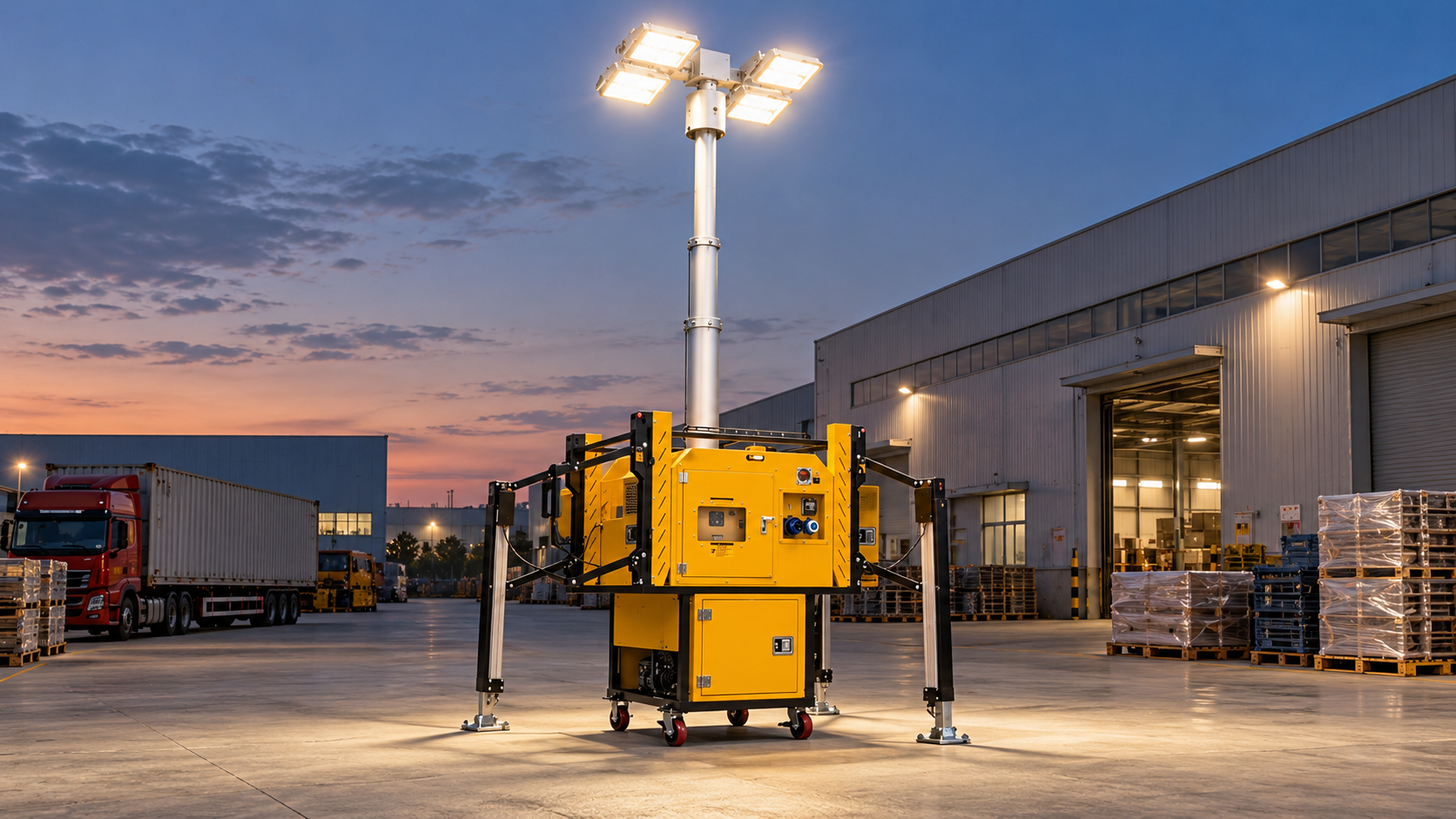
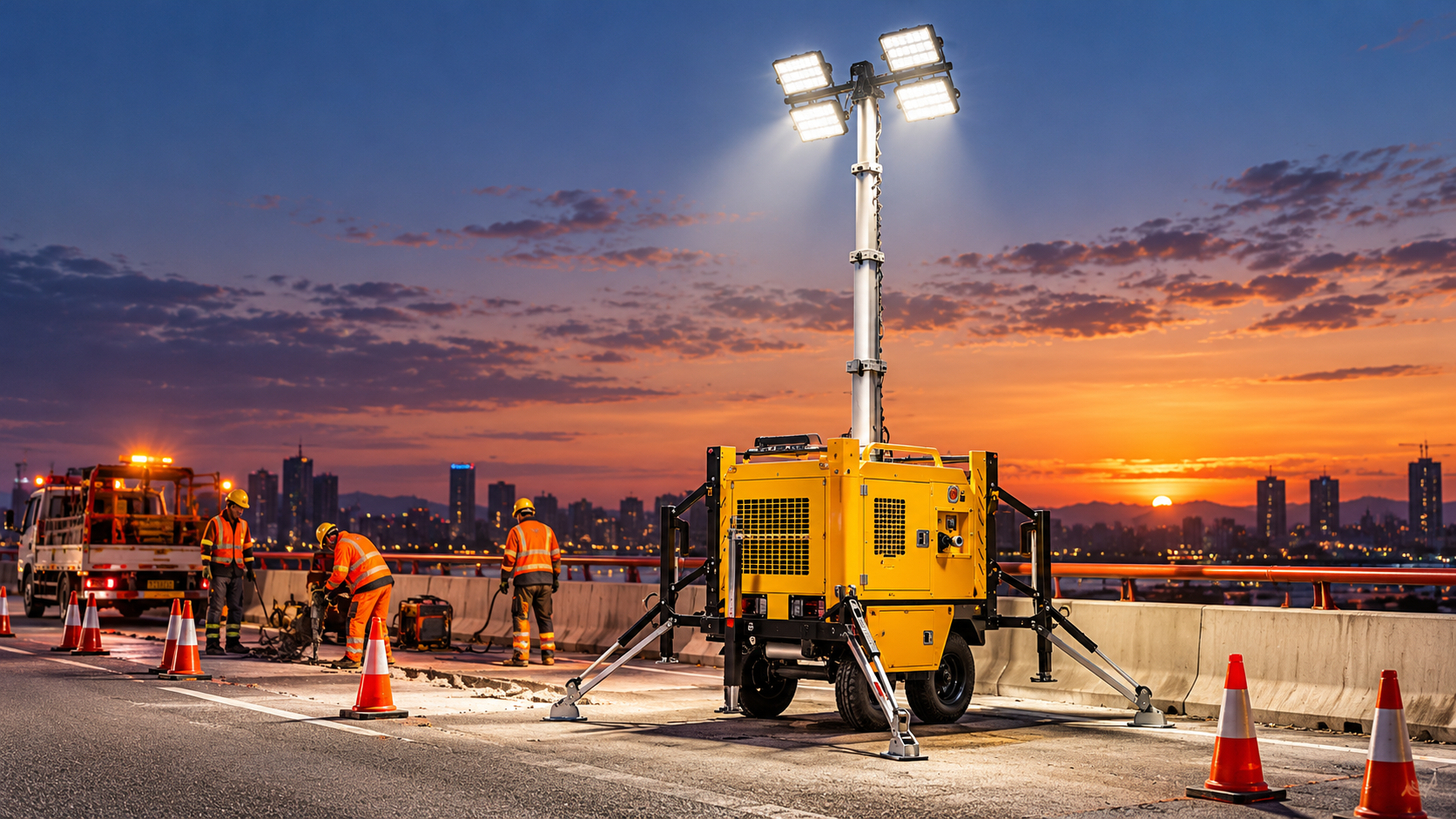
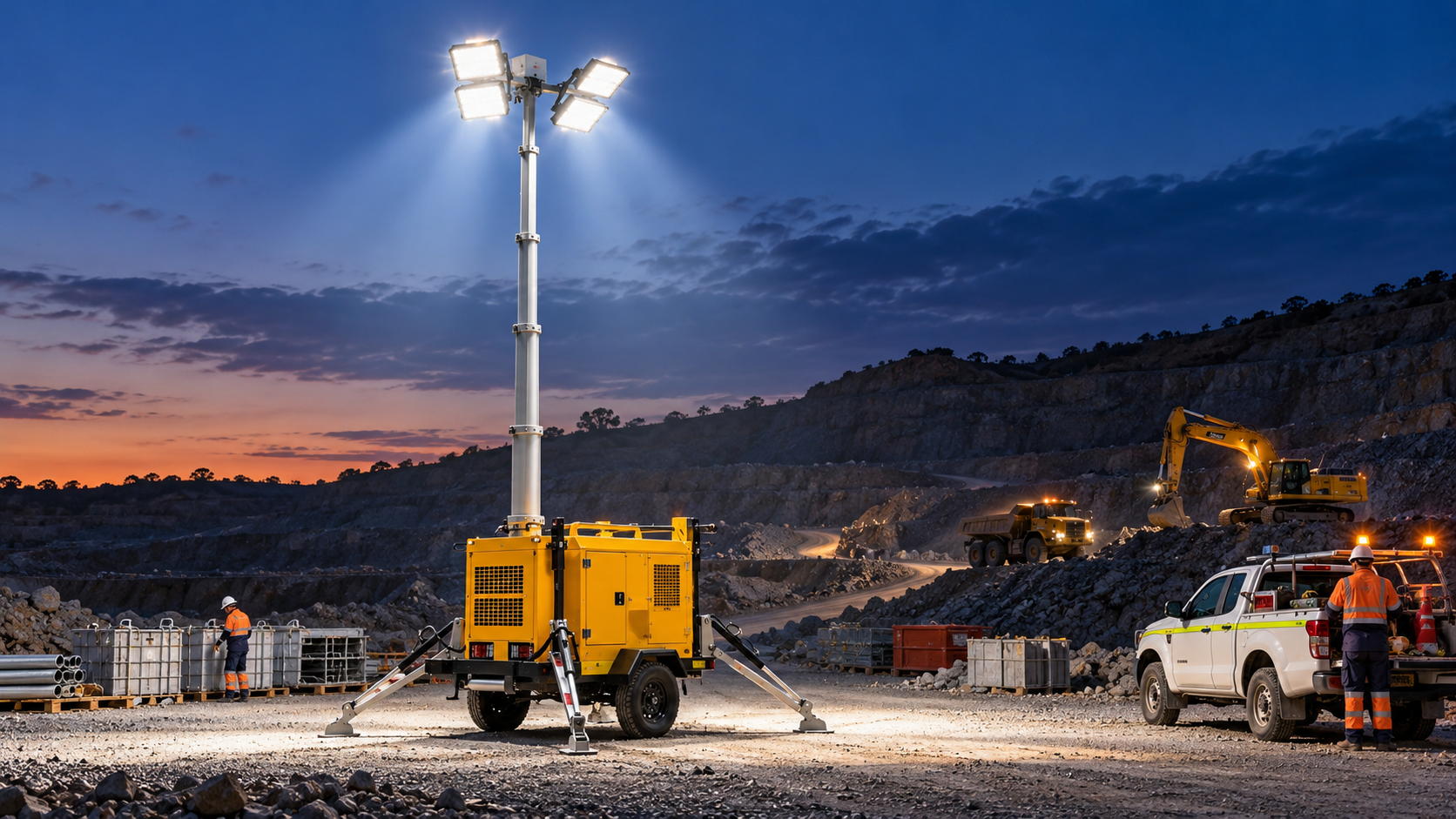
The actual job is to illuminate a working area reliably, deploy the tower safely, move it between sites and keep the complete system serviceable.
Area, mounting height, beam direction and usable light at ground level.
Extended height, sections, locking, cable routing and deployment method.
Ground condition, stabilizing legs / outriggers and wind exposure.
Trailer towing or compact wheeled movement depending on deployment scenario.
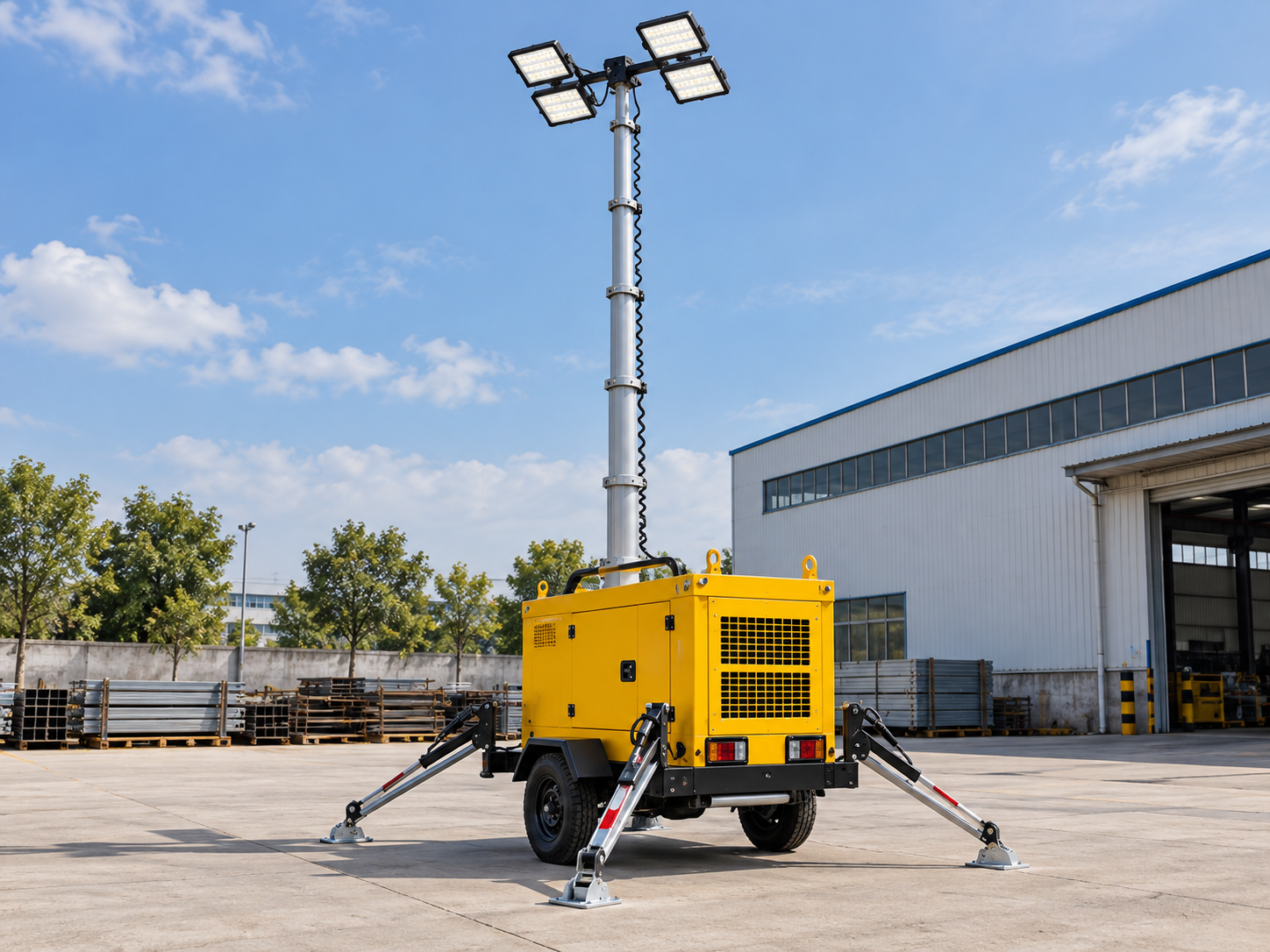
The visible project configuration makes the system logic clear: a lighting tower is a deployment platform. Reliability depends on how the mechanical structure, lighting package, power enclosure and controls interact.
A supplier can show bright lamps in a factory while leaving unanswered questions about mast stability, cable protection, repeated deployment and serviceability.
Weak stabilization, poor ground setup or inadequate locking can make height unusable.
Repeated mast movement can expose weak routing, bending or protection.
Fixtures, mast sections, doors and mounting points must survive repeated movement.
The enclosed power package still needs appropriate cooling and service access.
Slow setup, awkward controls or difficult maintenance reduce rental and site value.
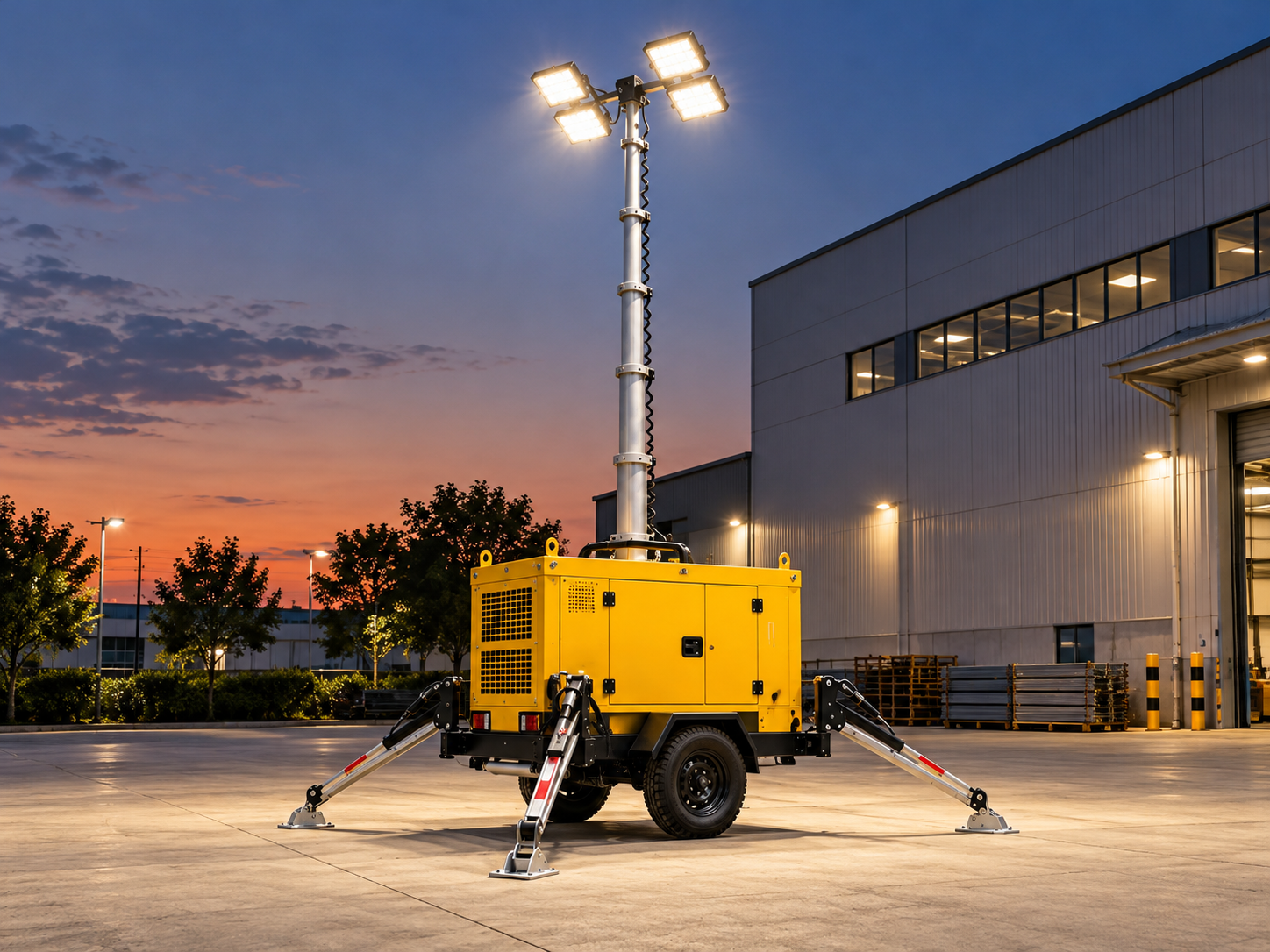
Two towers can use similar LED wattage and still be different products. Compare mast, stabilizers, mobility, power package, controls and release test on the same basis.
Lighting, mast, stability, mobility, power package and test basis defined.
COMPARABLEHeadline configuration available, but important deployment details remain open.
CLARIFYMast, stabilization and release basis are not sufficiently defined.
NOT COMPARABLEA lighting tower inspection should not stop at “the lamps turn on.” The unit should be checked through setup, stabilization, mast movement, lighting operation, control behavior and transport preparation.
Light heads · mast · mobility · stabilizers · power package · controls · labels.
Welds · mast assembly · cabling · fasteners · mounting · enclosure · change control.
Stabilize · extend · illuminate · operate controls · inspect movement · prepare for transport.
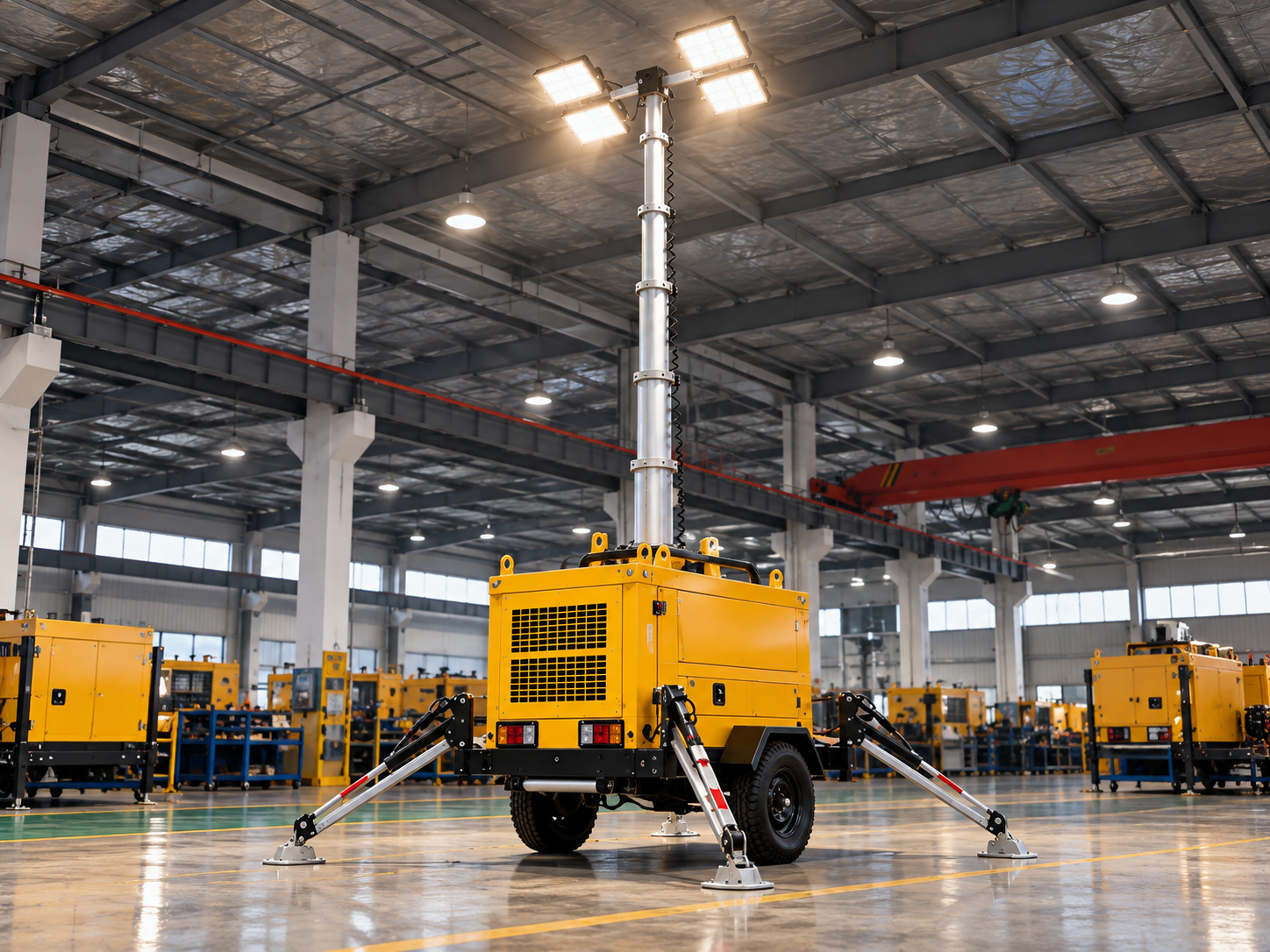
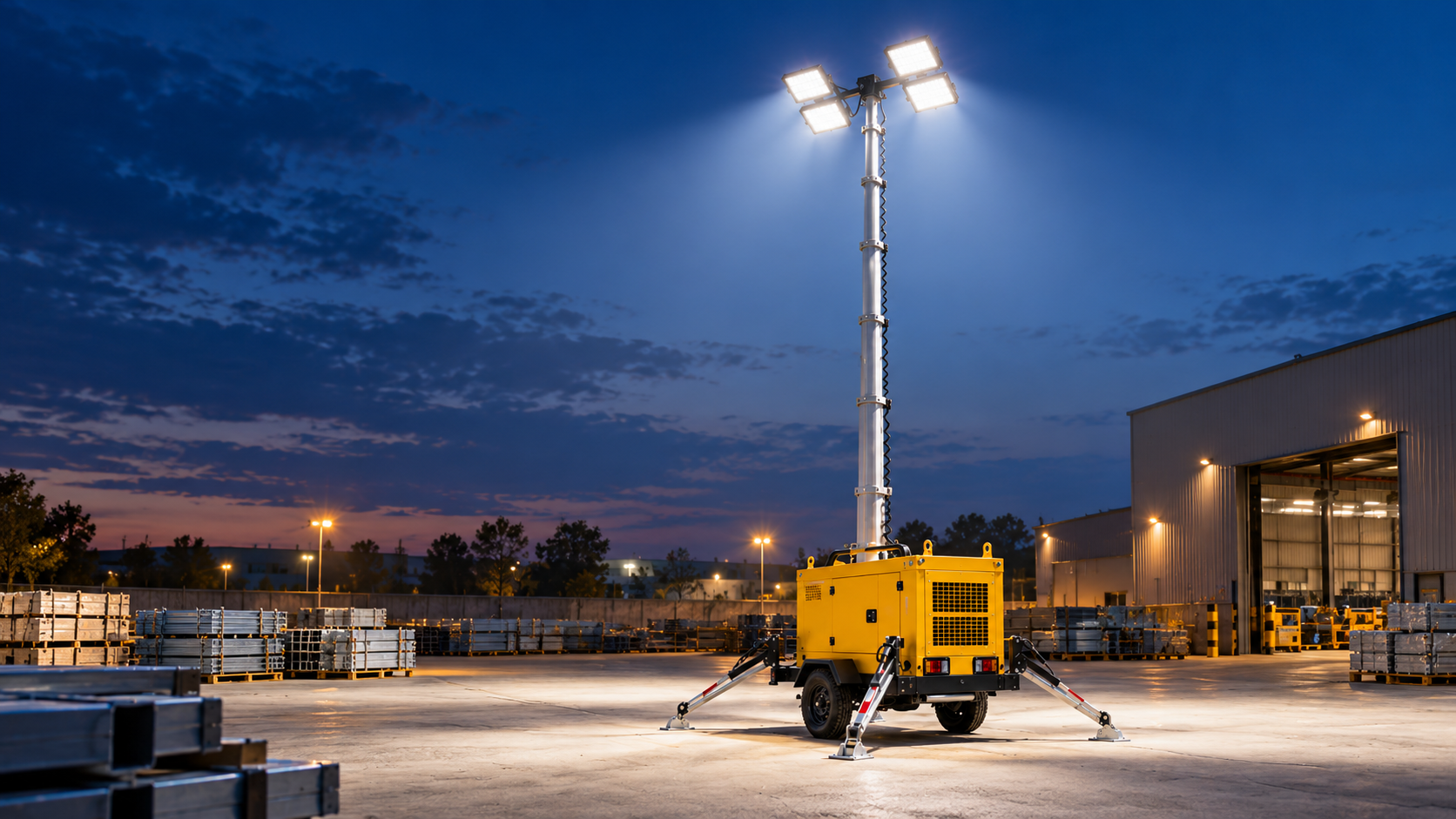
Coverage, beam direction, mast height and stable deployment matter more than a lamp-wattage headline when the site is actually working after dark.