
MFG POWERMFG POWER
Home Contact Discuss Your China Office
SOLUTION · CONSTRUCTION POWER

WHAT POWER SYSTEM FITS THE WAY YOUR CONSTRUCTION SITE ACTUALLY WORKS?

Construction power is not one generator feeding one steady load. The site changes by phase, equipment moves, motors start hard, temporary distribution changes and dust, rain, heat, noise and service access affect what will actually work.
LOADSURGEMOBILITYENVIRONMENTDISTRIBUTIONSERVICE
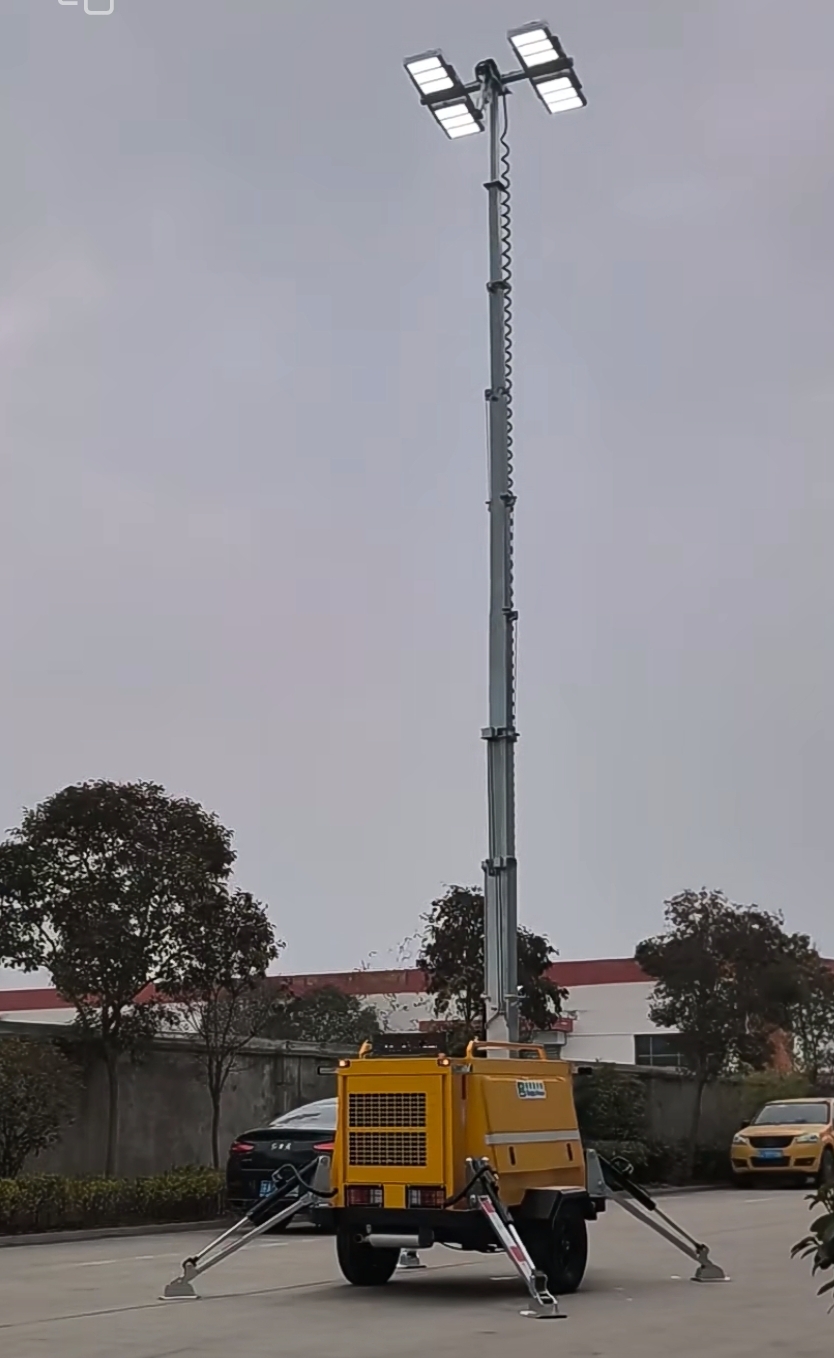
Representative construction-site power equipment
Representative construction-site power visual. Not presented as a named client project.
01Map site loads
→
02Check surge / motor start
→
03Choose fixed vs mobile
→
04Design site distribution
→
05Plan fuel / service
→
06Verify site readiness
01 · SITE LOAD MAP

The load profile changes as the project moves.

The right site-power plan starts by separating simultaneous loads, intermittent loads, starting loads and phase-specific equipment instead of adding every nameplate together.

TOOLSPortable tools & small equipment

Frequent movement, mixed outlets and intermittent demand.

MOTORSPumps / compressors / hoists

Starting current can dominate generator sizing.

WELDINGHigh transient / nonlinear loads

May require extra power margin and stable voltage response.

LIGHTING / CABINSLonger-duration lower loads

Can justify a different source from heavy site equipment.

02 · SURGE & MOTOR STARTING

Starting demand can matter more than running watts.

Construction equipment frequently includes motors and loads that create short but significant transient demand. The system must stay stable through those events.

01Largest motor start

Identify the single biggest starting event.

02Simultaneous starts

Check whether several loads can start together.

03Voltage dip tolerance

Some tools / controls tolerate less disturbance than others.

04Start sequencing

Staggering loads can reduce generator and distribution size.

05Power quality

Sensitive electronics may need tighter voltage / frequency behavior.
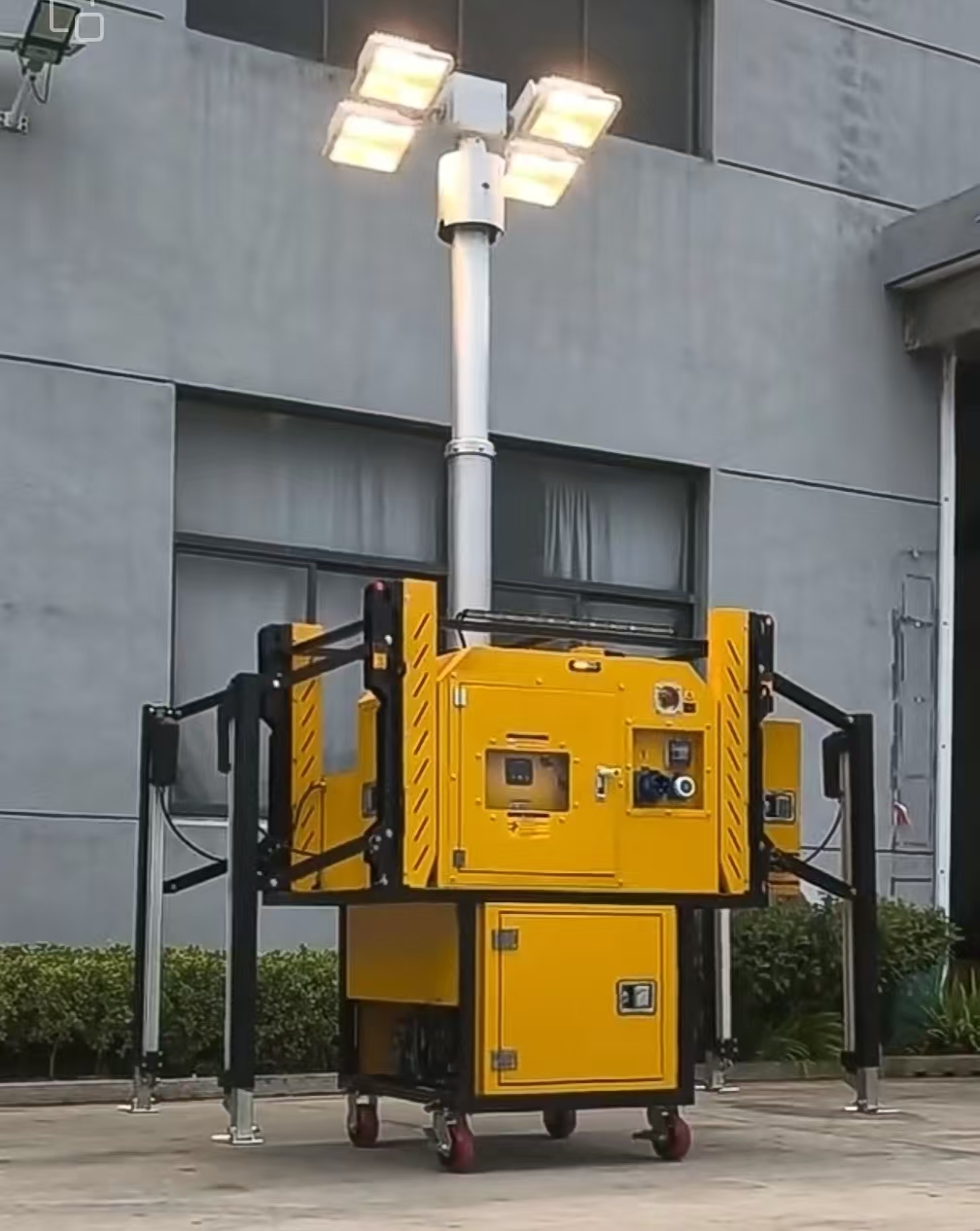
Representative mobile construction power equipment
Representative visual — mobile site equipment and temporary power use.
03 · FIXED VS MOBILE POWER

One large generator is not always the most practical site architecture.

Skid-mountedWorks where the power center remains in one location and lifting / placement is available.
Trailer-mountedUseful when equipment moves between zones or projects.
Multiple smaller setsCan reduce cable runs and match changing project phases.
Portable / inverter unitsUseful for smaller mobile loads, service work and low-load areas.
04 · ENVIRONMENT & PROTECTION

Site equipment has to survive movement, dust and weather.

DUSTFiltration / radiator fouling / enclosure sealing
RAINOutdoor protection / water ingress / drainage
HEATCooling margin / ventilation / derating
NOISEUrban / night work / residential limits
ROUGH HANDLINGFrame / lifting / trailer / vibration resistance
SECURITYFuel / battery / cable / equipment theft risk
05 · TEMPORARY DISTRIBUTION

The generator is only one part of the temporary power system.

Cable length, voltage drop, distribution boards, outlet type, protection and earthing all affect whether the site power is safe and usable.
Distribution boardsMatch site zones, voltage, phases and expected loads.
Cable length / voltage dropLong runs can reduce usable voltage at the load.
Outlets / connectorsMarket and site equipment determine socket / plug configuration.
Protection / earthingBreakers, RCD / GFCI, grounding and fault protection need to match site rules.
Temporary changesDistribution often changes as the project moves; the plan must remain controllable.
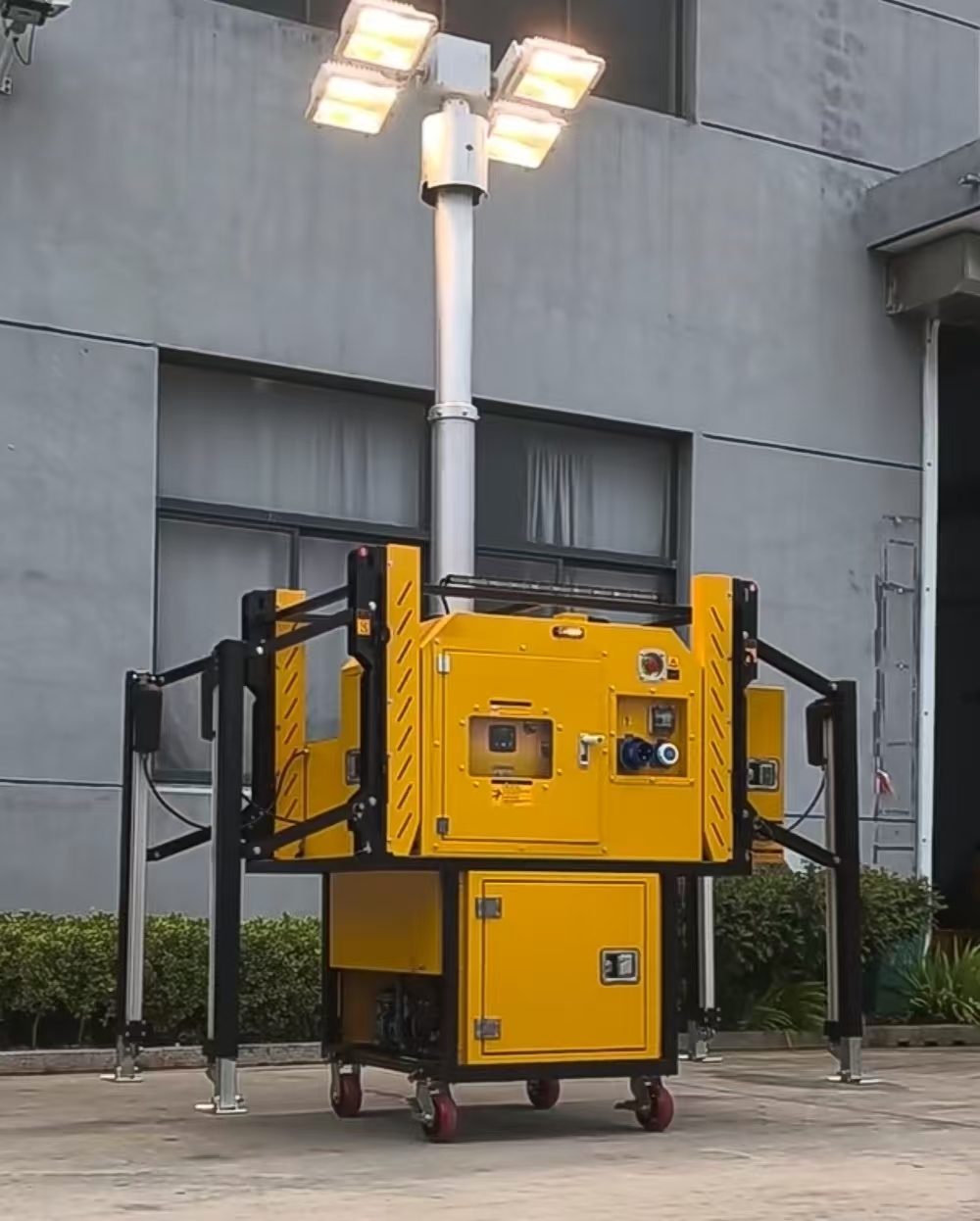
Representative construction site temporary distribution and power support
Representative visual — site distribution and construction-power support.
06 · FUEL & REFUELING

Shift length changes tank, service and refueling strategy.

A site set that needs refueling in the middle of every shift may be operationally wrong even if the power rating is correct.

SHIFTExpected hours between stops
LOADFuel use at real operating load
TANKBase tank / extended tank / external tank
ACCESSCan a fuel truck reach the unit safely?
SPILL CONTROLSite / environmental containment requirements
FUEL QUALITYWater / contamination / storage handling
07 · SERVICEABILITY & DOWNTIME

Construction equipment must be easy to service in the conditions where it actually works.

ACCESSFilters / oil / battery / radiator reachable
INTERVALMaintenance aligned with shift pattern
SPARESCommon consumables and failure items available
MOVEMENTService points survive relocation / rough handling
RECOVERYCan another unit temporarily cover the load?
LOCAL SUPPORTWho can respond when equipment stops?
08 · RELATED SITE EQUIPMENT

Temporary power is often more than electricity.

Construction projects may need coordinated power, lighting, dewatering and cleaning equipment. The useful question is how the site operates, not which catalogue each machine comes from.
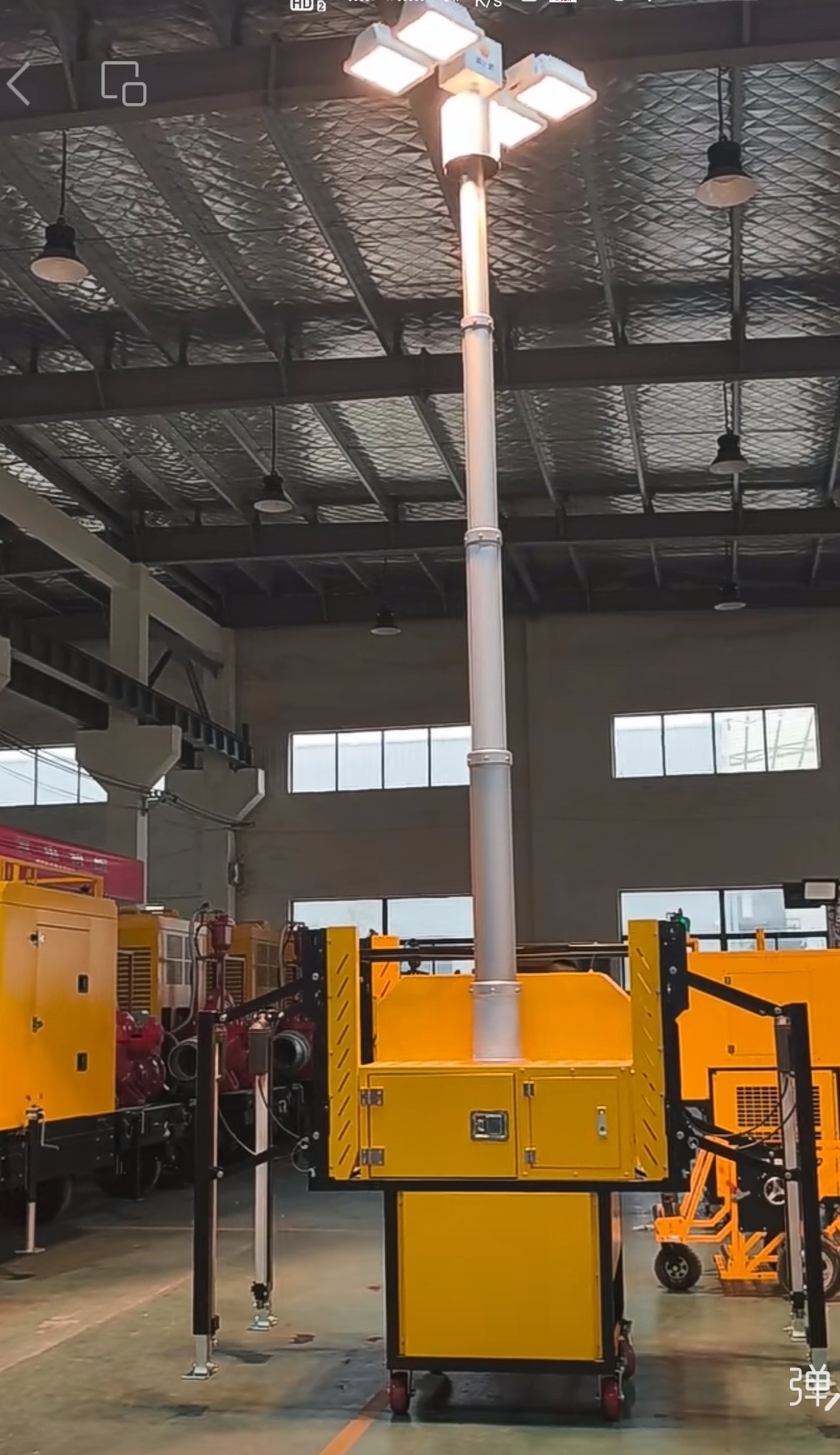
Representative construction site acceptance and equipment verification
Representative visual — site equipment verification and readiness review.
09 · SITE ACCEPTANCE / READINESS

Verify the site-use condition — not only the product nameplate.

Load testConfirm the system carries expected site loads and starting events.
Distribution checkVerify outlets, voltage, phase, protection and cable arrangement.
Environmental fitCooling, weather, noise and placement match site conditions.
Mobility / liftingTrailer, skid, lifting points and movement method suit actual use.
Fuel / service accessRefueling and routine maintenance can happen without creating avoidable downtime.
10 · WHAT THE BUYER RECEIVES

A site-power operating basis — not just an equipment list.

01Site load map

Normal, peak, starting and phase-specific demand.

02Equipment architecture

Fixed / mobile / multiple-set logic and related site equipment.

03Environment / distribution basis

Dust, rain, heat, noise, outlets, cable and protection considerations.

04Fuel / service plan

Shift runtime, refueling, maintenance and recovery assumptions.

05Acceptance basis

What should be verified before the site treats the equipment as ready.

11 · BEST FIT

Use Construction Power when the project needs a site system, not just a generator.

CHANGING LOADSProject phases change the demand
MOBILE EQUIPMENTPower needs to move with the work
HARSH SITEDust / rain / heat / rough handling matter
TEMP DISTRIBUTIONCables / outlets / protection matter
MULTI-EQUIPMENTPower, lighting, pumping or cleaning interact
12 · NEXT STEP

Start with the site, equipment list and how the project will actually operate.

MFG can help define the load map, generator architecture, mobility, site protection, temporary distribution, related equipment and acceptance basis before equipment is committed.