
WHAT SHOULD STORAGE ACTUALLY DO IN YOUR POWER SYSTEM?
Storage is not automatically the right answer to every power problem. The buyer needs to define what the battery should carry, for how long, how it recharges, when the generator starts and how the whole system behaves under real load.
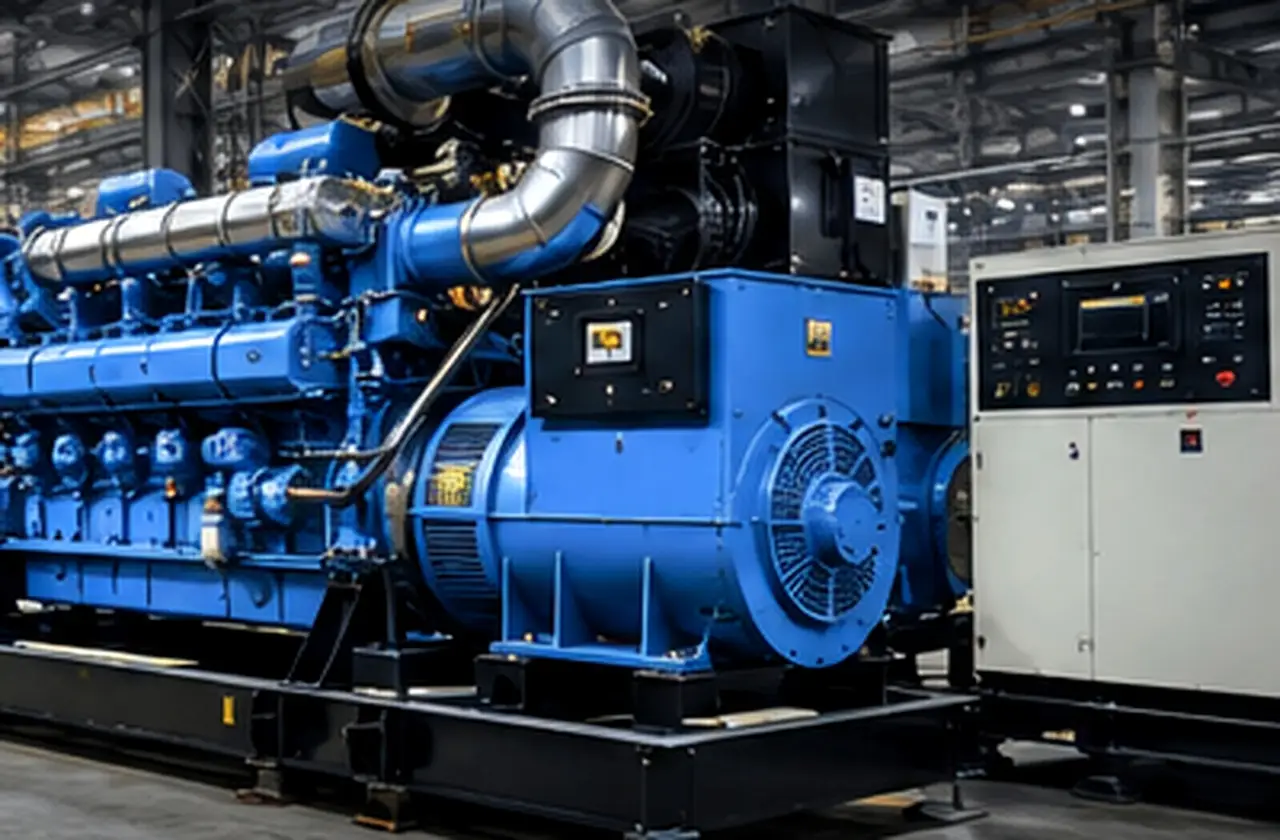
A battery should have a specific operating job.
The same battery size can make sense or fail completely depending on whether it is expected to bridge an outage, carry silent hours, shave peaks, absorb solar or reduce generator runtime.
Fast response matters more than long duration.
Useful where noise, night operation or fuel use matters.
Can reduce generator size or grid demand where control logic is correct.
Requires enough recharge opportunity to restore usable energy.
Power tells you how hard the system must work. Energy tells you how long it must work.
Battery capacity alone does not define whether the system can actually start and carry the load.
What the inverter / PCS must deliver during normal operation.
Motor start, compressor start or transient demand.
How much energy is available before recharge is required.
Depth of discharge, reserve, temperature and losses reduce nameplate capacity.
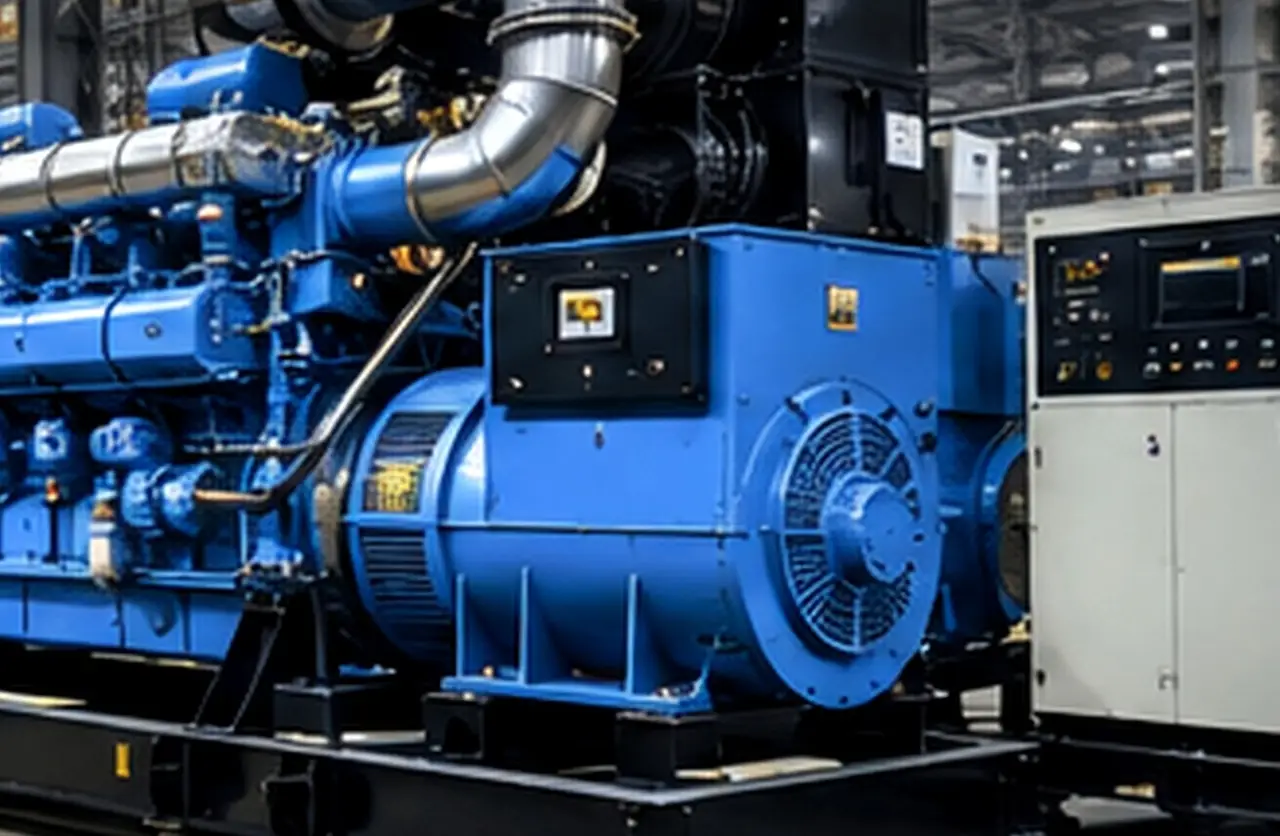
Battery sizing starts with the load profile, not a requested kWh number.
Stored energy still has to come from somewhere.
The charge source determines how quickly the system can recover and how storage should interact with the rest of the site.
Useful for outage bridge, tariff shifting or peak support.
PV can extend runtime, but it does not guarantee recharge in poor weather.
Can reduce inefficient low-load generator operation.
Needs clear priority and charge logic.
The generator and battery should have different jobs.
Hybrid systems work best when storage handles the parts of the load profile where batteries are strong, while generation handles longer-duration energy demand and recharge.

Battery capacity does not define what the system can deliver.
The PCS / inverter must be sized for continuous load, transient demand, voltage / frequency and system operating mode.
Most hybrid-system failures start at the interfaces.
Storage creates value when it changes how the system operates.
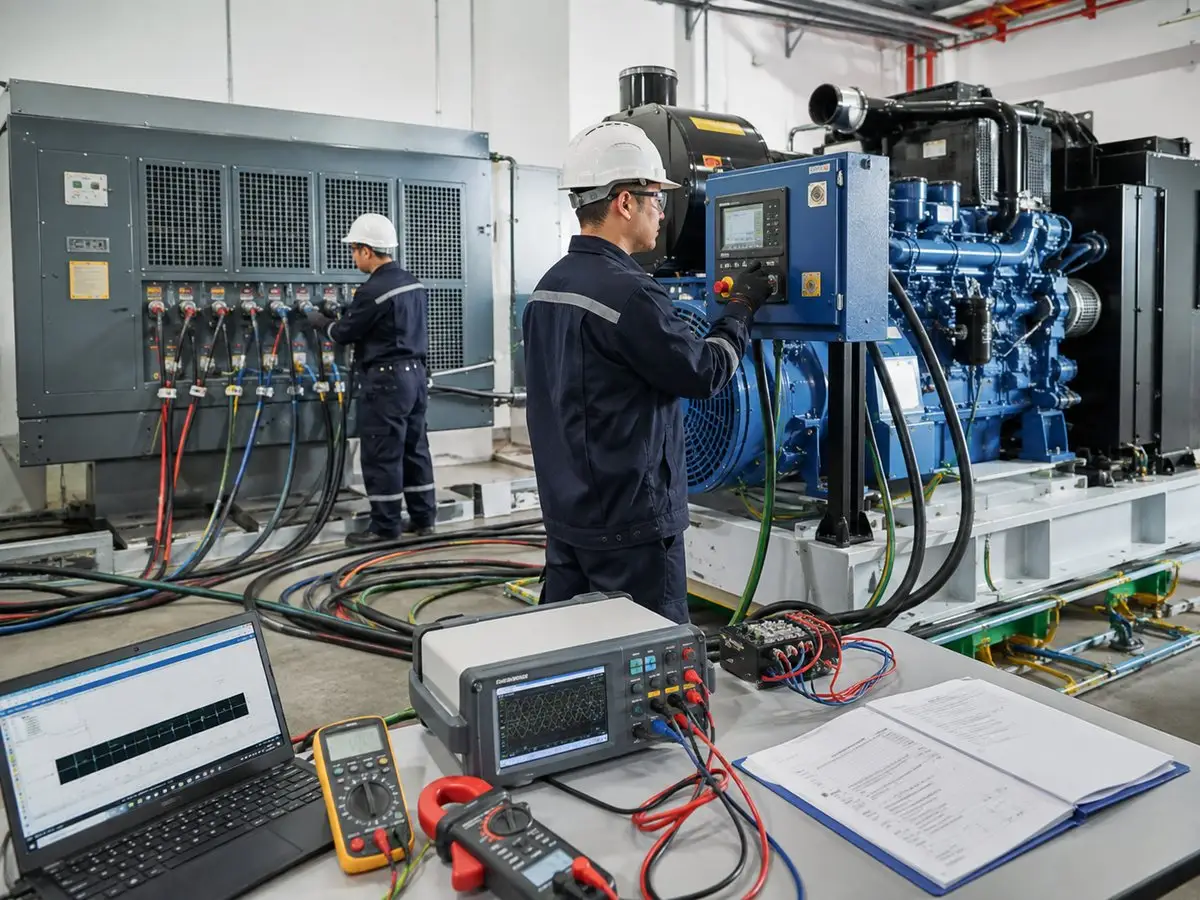
Verify the complete energy flow — not only battery capacity.
A system operating basis — not just a battery size.
What the battery should and should not do.
Continuous kW, peak kW, usable kWh and runtime assumptions.
Grid, PV, generator and recharge priority.
Transfer, SOC, communications and protection logic.
What the complete system must prove before release.