10–3200 kVA diesel generator sourcing and China-side quality control for global buyers.
Do not compare two kVA figures until the rating basis and reference conditions are the same.
Duty, load acceptance, engine–alternator match, cooling and site conditions decide whether the set will perform when the load arrives.
Standby, prime and continuous duty are not labels to add after the quotation. They influence rating, load profile, fuel use, thermal margin, maintenance planning and the correct engine–alternator package.
The headline rating can look identical while the duty basis, engine–alternator package, transient response, ambient capability and control system are not actually comparable.
Nameplate kVA tells you capacity. It does not tell you how the generator behaves during a sudden load step. For many applications, voltage dip, frequency dip and recovery time matter just as much as the final steady-state rating.
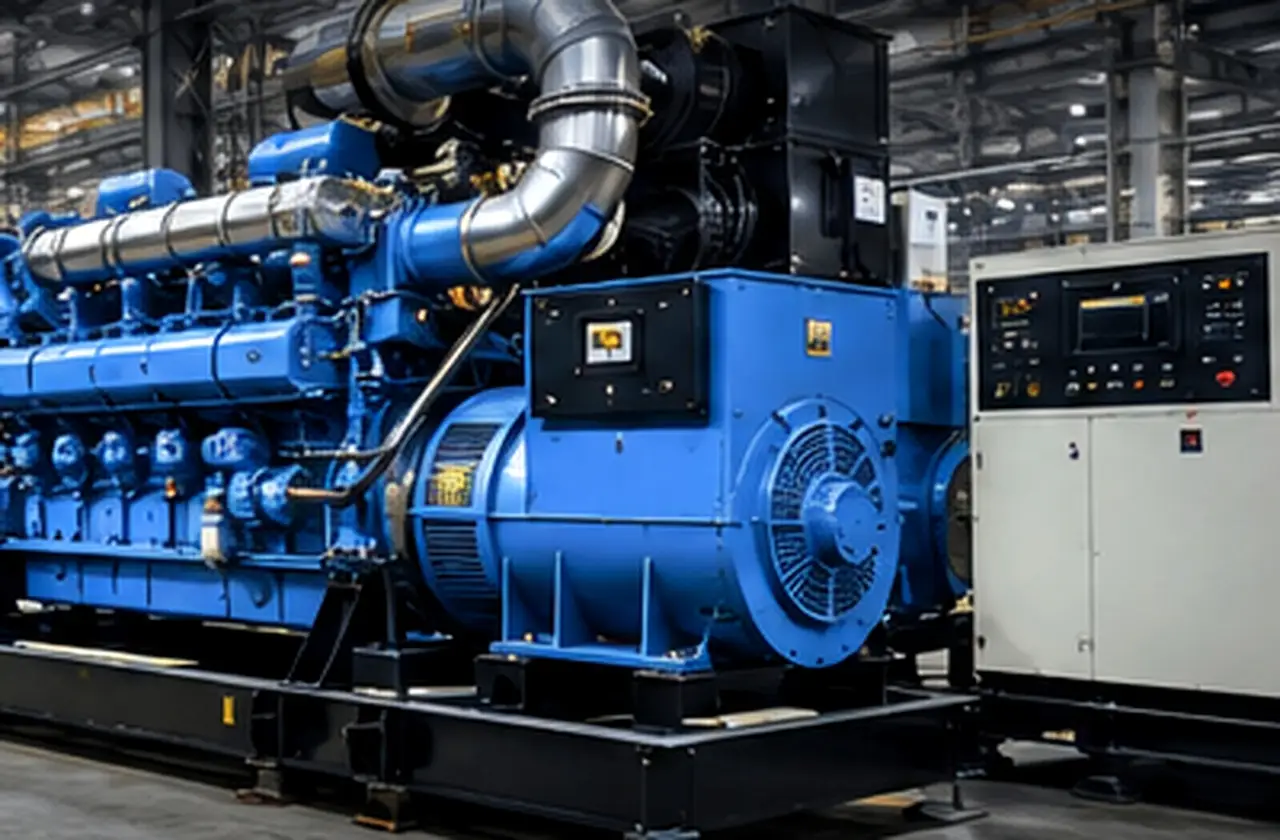
A genset should be evaluated as one engineered system. Engine, alternator, cooling, controls, fuel system, enclosure and assembly quality all influence the field result.
What matters: exact model · duty rating · governor · fuel system
Buyer risk: wrong duty basis, weak response, parts mismatch.
What matters: exact model · winding · temperature rise · AVR · starting capability
Buyer risk: overheating, weak motor starting, voltage-performance issues.
What matters: radiator sizing · airflow · fan · ambient rating
Buyer risk: derating or high-temperature shutdown at site.
What matters: controller · breaker · alarms · shutdown logic · ATS interface
Buyer risk: protection gaps, wrong settings, service difficulty.
What matters: filtration · water separation · tank · autonomy · leak control
Buyer risk: contamination, runtime shortfall, leakage.
What matters: ventilation · cable routing · maintenance access · transport strength
Buyer risk: heat, noise, field-service and transport problems.
Climate, altitude, electrical market and enclosure conditions can change the usable output, cooling system, controls, compliance basis and final market-ready configuration.
For diesel generator sets, the product you approve should freeze the exact engine, alternator, controls, protection, cooling, fuel, starting, enclosure, wiring, market version and service package.
The mechanical and electrical power package that determines duty capability, starting performance and voltage behavior.
The logic that starts, protects, monitors and interfaces the generator with the site.
The physical package that determines ambient capability, runtime, airflow, access and field reliability.
The configuration and support package that determines destination fit and serviceability after shipment.
Exact engine model, duty rating, governor, fuel system, alternator model, AVR, winding and temperature rise.
Controller, protection settings, ATS interface, battery, charger, starter, DC cabling and shutdown logic.
Radiator, airflow, tank, filtration, enclosure, harness, terminals, anti-vibration and service access.
Voltage, frequency, phase, emissions, labels, documentation, spare parts, warranty and serviceability.
The buyer should know what changed, why it changed, what performance or compliance risk it creates, and what must be re-verified before shipment.
Noise, weather protection and cooling must be checked together.
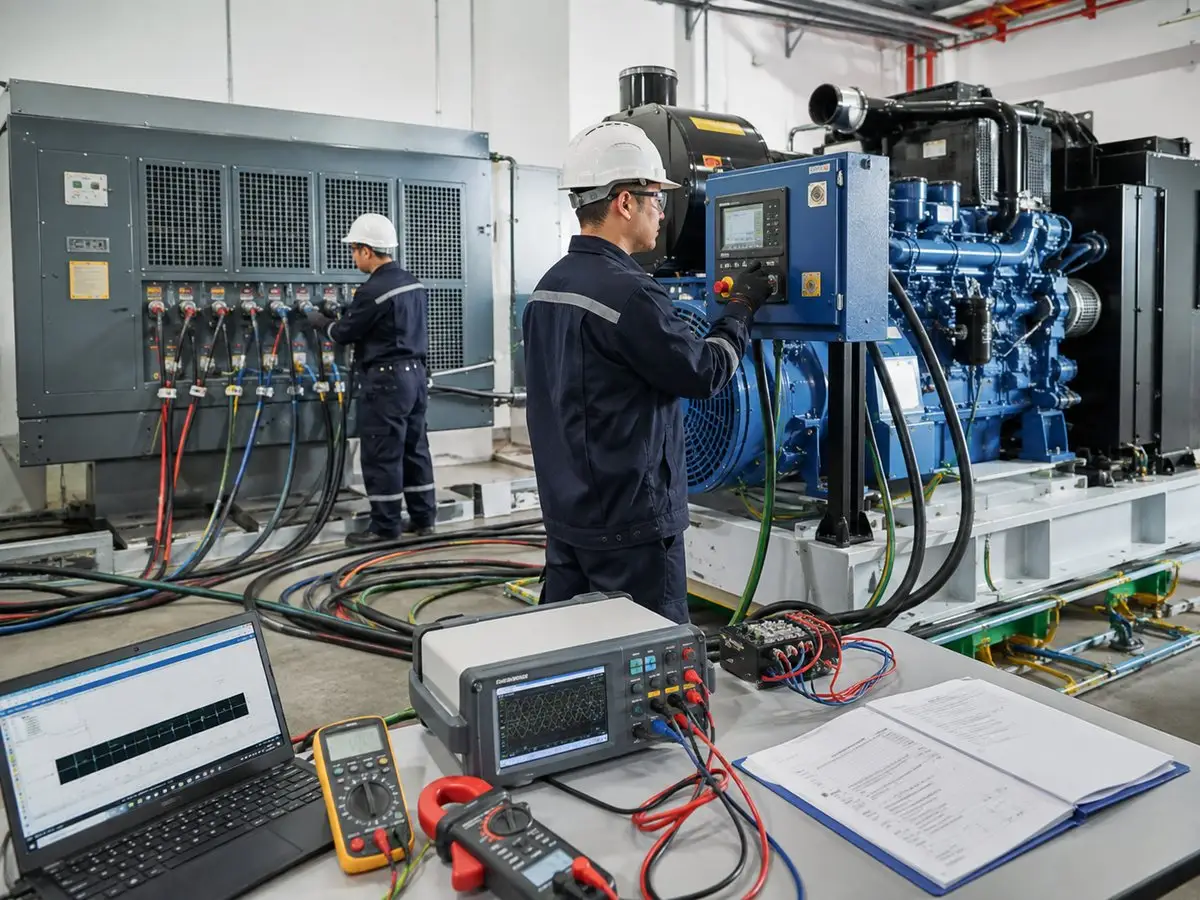
The buyer needs to know what was tested, under what load, which readings were recorded, what failed, what was corrected, and whether the corrected unit was re-tested before shipment.
A useful statement only when the test basis is defined.

Spec · Engine · Alternator · Controls · Cooling · Market Version
Components · Wiring · Hoses · Fasteners · Cooling · Change Control

Load Bank · Step Load · Electrical · Protection · Leaks · Packaging
The goal is to identify, correct and re-check critical issues before shipment — before they become freight, warranty, distributor or brand cost.
MFG can start from your load requirement, supplier quotation, engine / alternator combination, existing PO, inspection issue or current field complaint.