
MFG POWERMFG POWER
Home Contact Discuss Your China Office
SOLUTION · DEVELOP A NEW PRODUCT

TURN A MARKET NEED INTO A PRODUCT THE FACTORY CAN BUILD REPEATEDLY.

A good sample is only the beginning. The real job is to define the product basis, control critical components, validate performance, manage changes and prove the factory can repeat the approved result in production.
NEEDREQUIREMENTSAMPLEVALIDATEPILOTRELEASE
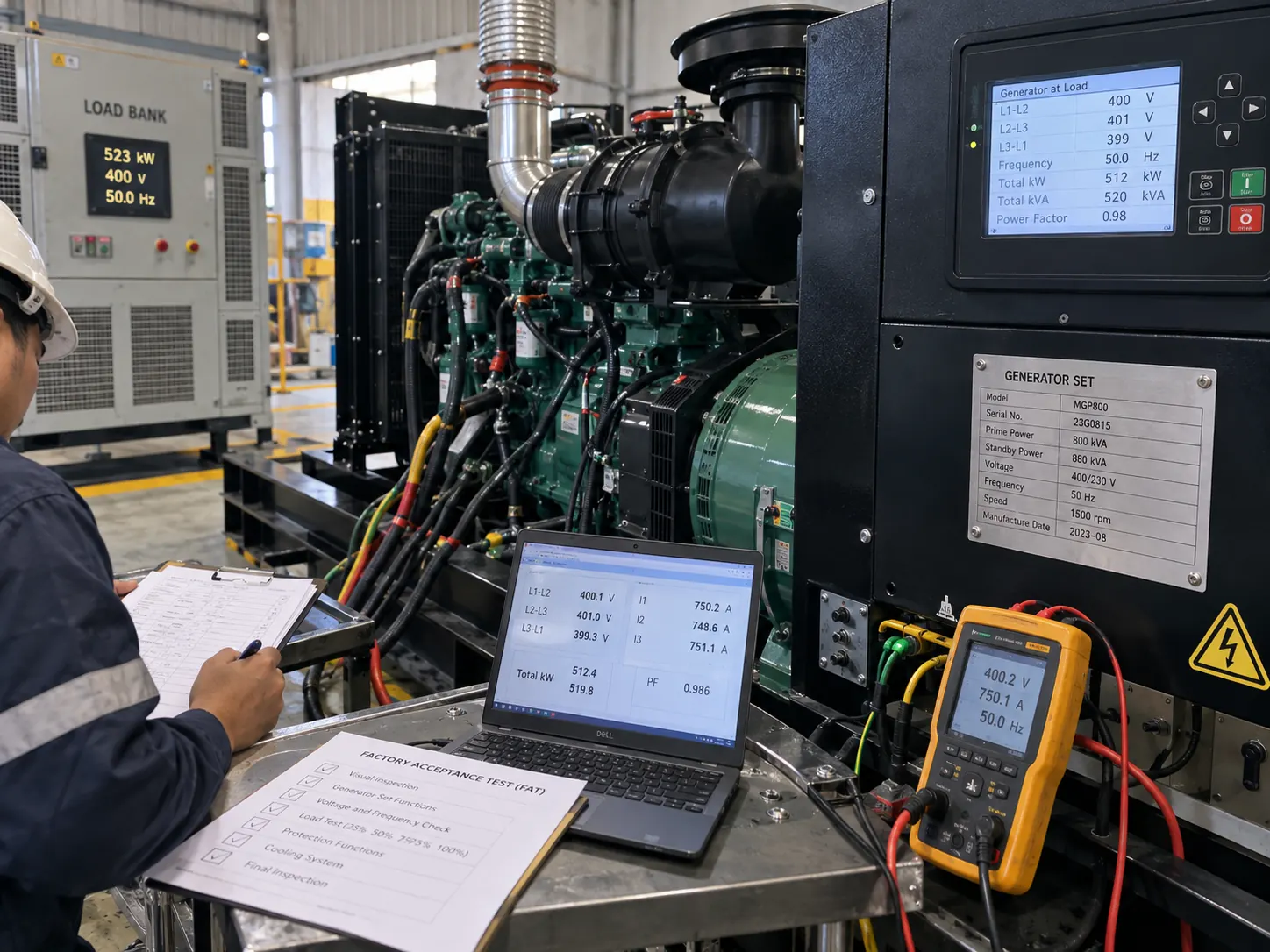
Representative new product development and supplier review
Representative development visual. Not presented as a named client case.
01Define the market need
→
02Lock the product requirement
→
03Build and review the sample
→
04Validate critical performance
→
05Run pilot production
→
06Approve the production basis
01 · WHY A GOOD SAMPLE IS NOT ENOUGH

The sample proves one unit can work. It does not prove the factory can repeat it.

The biggest risk appears when the approved sample, production BOM, supplier process and final product slowly become different things.

SAMPLE BIASOne hand-built sample looks good

But normal production may use different operators, parts or process control.

COMPONENT CHANGECritical parts move after approval

Performance can change even when the outside still looks identical.

TEST BASISHeadline spec is not enough

Without agreed test conditions, two suppliers can both claim the same number.

SCALE-UPPilot production exposes repeatability

Problems that do not appear on one sample can show up across a batch.

02 · PRODUCT REQUIREMENT DEFINITION

Start with the application and market — not the supplier’s existing model.

The product requirement should tell the factory what the buyer needs to achieve, which conditions matter and what cannot change without approval.

01Application

Use case, duty, load profile, runtime and operating environment.

02Target Market

Voltage, frequency, plug, labels, documents, climate and customer expectations.

03Performance

Rated / maximum basis, efficiency, noise, temperature, protection and test conditions.

04Critical Components

Parts or systems that materially affect reliability, performance or serviceability.

05Acceptance Basis

What the sample, pilot and production must prove before release.
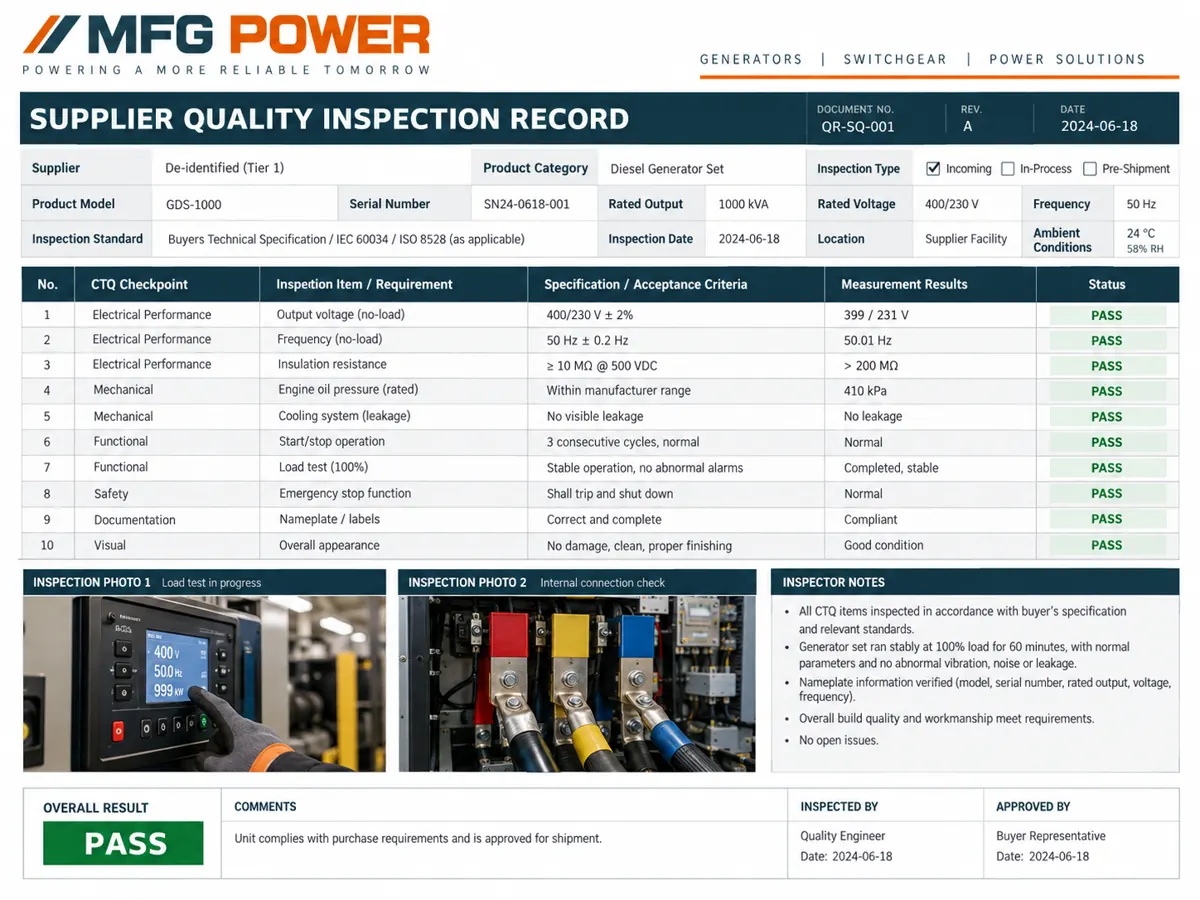
Representative supplier and product basis review
Representative visual — supplier and product-basis review before development commitment.
03 · SUPPLIER / PRODUCT BASIS SELECTION

Do not force the project onto the wrong factory or the wrong existing product basis.

Supplier fitDoes the factory understand the category, process and intended market?
Existing base modelWhich platform can realistically reach the requirement with controlled changes?
Engineering depthCan the supplier explain performance limits, component trade-offs and validation needs?
Change burdenHow much of the existing product must be changed, tooled, re-tested or re-qualified?
Scale-up abilityCan the factory repeat the chosen basis beyond the sample stage?
04 · SAMPLE REVIEW

Review the sample as a production reference — not just a product demo.

The sample review should make visible what is approved, what is provisional and what still needs verification before production.

CONFIGURATIONWhat exactly is inside the sample?
PERFORMANCEDoes it meet the agreed basis?
WORKMANSHIPCan the build quality be repeated?
MARKET DETAILSLabels, plugs, controls, docs and user-facing details
OPEN ITEMSWhat is still temporary, unverified or subject to change?
REFERENCEWhat becomes the approved production reference?
05 · CRITICAL COMPONENT & CONFIGURATION LOCK

The product is more than the spec sheet.

Critical components should be named, controlled or defined by an approved performance basis so that production cannot quietly move to a cheaper or different configuration.
Core power systemEngine, motor, alternator, inverter, battery cell or other performance-critical system.
Control systemController, PCB, firmware, breaker, sensors and protection logic where relevant.
Thermal / fuel / fluid systemCooling, fuel delivery, pump, burner, hoses, filters and system layout.
Buyer-facing configurationFrame, color, stickers, sockets, labels, accessories, packaging and documentation.
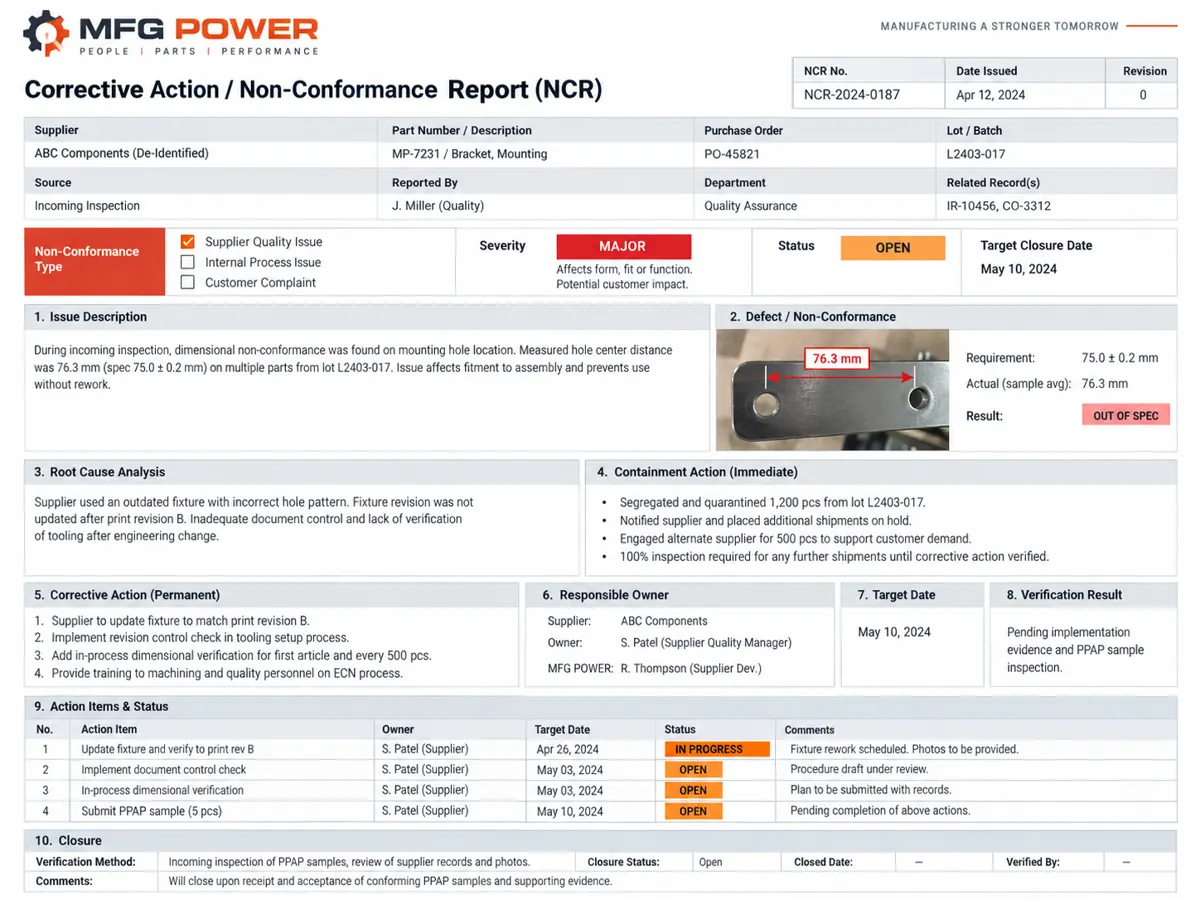
Representative critical component and configuration review
Representative visual — critical-component and configuration review.
06 · VALIDATION / TEST BASIS

Approve with evidence — not only with a supplier statement.

The test plan should reflect the product’s real application and the buyer’s risk. Not every product needs the same validation depth.
FUNCTIONDoes the product work as intended?
PERFORMANCEDoes it meet the agreed rating and conditions?
THERMAL / DUTYCan it survive the expected load and environment?
SAFETY / PROTECTIONDo protection and shutdown functions work correctly?
MARKET / USERDoes the product behave correctly in the target market configuration?
SERVICEABILITYCan common parts, maintenance and after-sales be supported?
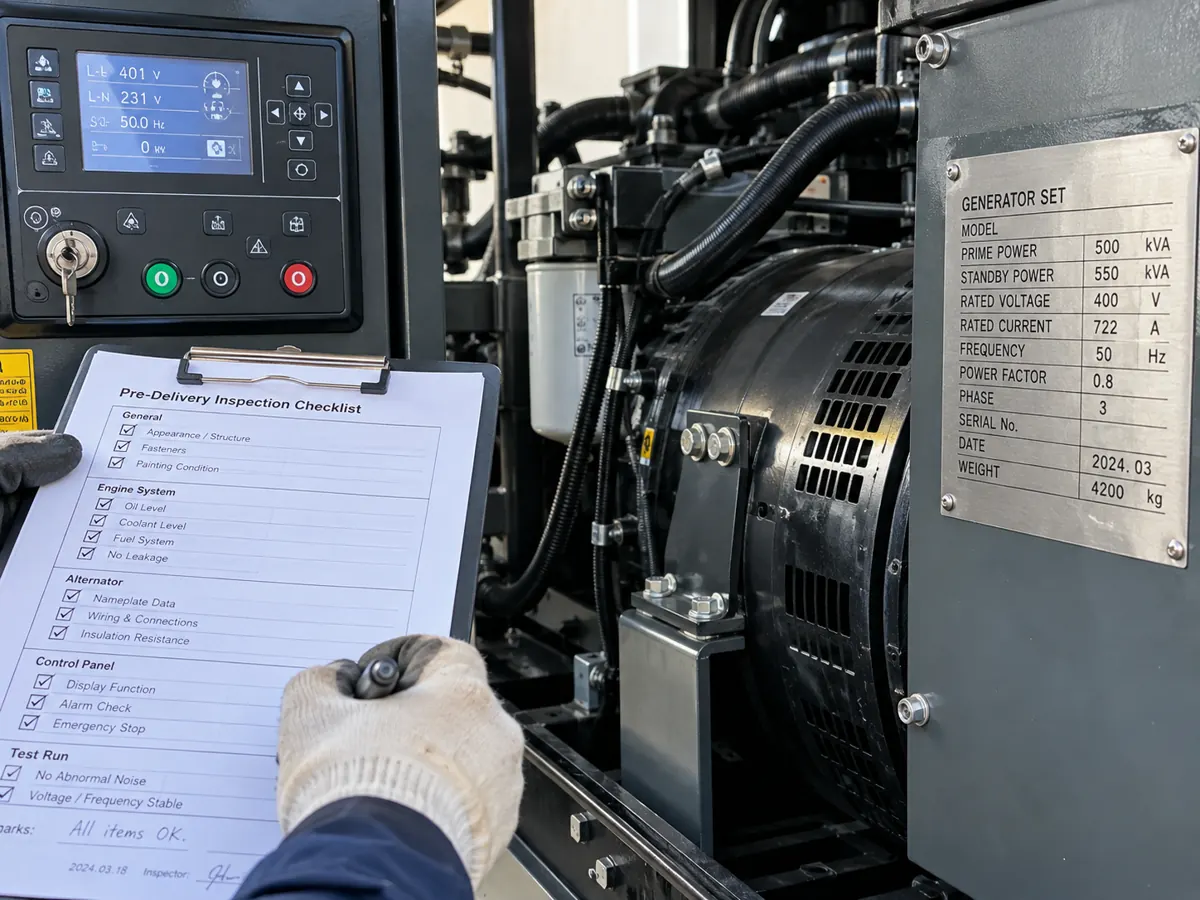
Representative pilot production and quality verification
Representative visual — pilot production and verification before scale-up.
07 · PILOT PRODUCTION

Pilot production proves whether the approved product can survive normal factory execution.

RepeatabilityDo multiple units match the approved sample and requirement?
Process controlCan operators and production steps reproduce the intended build?
Component consistencyAre critical parts stable across the pilot batch?
Defect patternWhat issues appear only when the product is produced at batch level?
Corrective actionCan the supplier close the gap before mass production?
08 · CHANGE CONTROL

The biggest risk is often a change you never approved.

SUPPLIER CHANGENew component source

Review before the new source becomes the default production basis.

SPEC CHANGEDifferent rating, material or configuration

Check impact on performance, quality, compliance and cost.

PROCESS CHANGEFactory changes tooling, assembly or test flow

Decide whether re-validation or pilot evidence is needed.

COST-DOWN CHANGESupplier proposes a cheaper alternative

Do not accept “equivalent” without an agreed technical basis.

09 · PRODUCTION RELEASE GATE

Release the product basis only when the buyer knows exactly what is approved.

REQUIREMENTApplication and market basis confirmed
SAMPLEApproved configuration documented
COMPONENTSCritical parts locked or controlled
VALIDATIONKey tests passed on agreed basis
PILOTRepeatability demonstrated
CHANGESOpen deviations closed or buyer-approved
10 · WHAT THE BUYER RECEIVES

A controlled product basis that can move into production.

01Requirement baseline

Application, target market, performance and critical expectations.

02Approved configuration

Sample / BOM / key components and agreed alternatives where applicable.

03Validation evidence

Test results and open gaps relevant to the approved product basis.

04Pilot status

Repeatability, defects, corrective action and closure state.

05Change-control basis

What can change, what needs approval and what triggers re-validation.

11 · BEST FIT

Use Develop a New Product when the buyer is defining a product basis — not just buying an existing SKU.

NEW MARKET NEEDExisting supplier model does not fully fit
OEM / ODMConfiguration needs buyer control
CRITICAL COMPONENTSInternal parts materially affect performance
NEW SUPPLIERSample and scale-up both need verification
REPEATABILITYBuyer needs a production-ready basis
12 · NEXT STEP

Send the market need, target specification, current sample or supplier proposal.

MFG can help define whether the next step is requirement clarification, supplier / product-basis selection, sample review, validation, pilot production or change-control setup.