
MFG POWERMFG POWER
Home Contact Discuss Your China Office
SOLUTION · BACKUP POWER

WILL THE SYSTEM WORK WHEN THE GRID FAILS?

Backup power is not a generator-size question. The buyer has to define the critical load, acceptable outage, runtime, start method, redundancy, fuel or storage strategy and what must be proven before handover.
LOADOUTAGERUNTIMEARCHITECTUREREDUNDANCYTEST
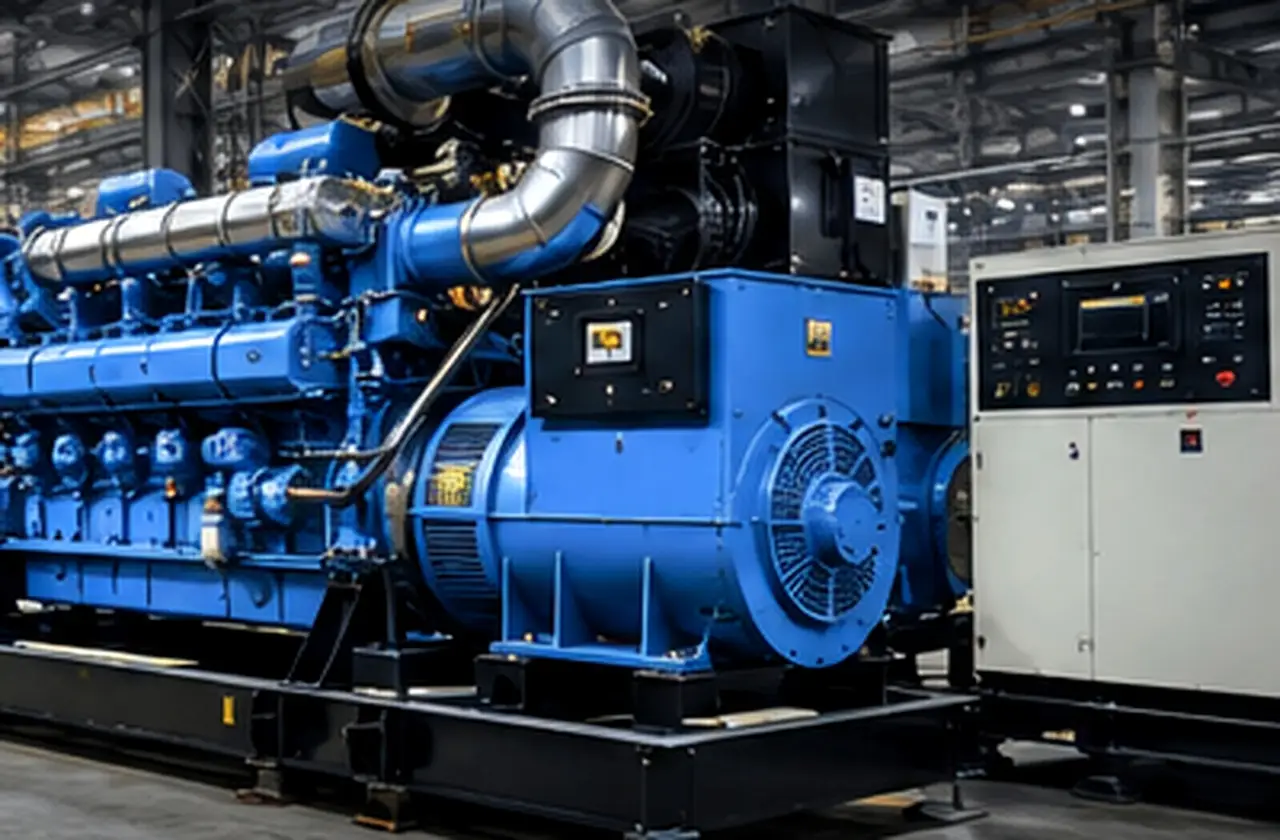
Representative standby generator and backup power system
Representative backup-power visual. Not presented as a named client project.
01Define the critical load
→
02Set outage tolerance
→
03Set required runtime
→
04Choose system architecture
→
05Build redundancy / autonomy
→
06Test before handover
01 · START WITH THE CRITICAL LOAD

Do not size backup power from the building nameplate alone.

The backup system should be sized around what must remain operating during an outage, including starting current, sequence, duty and acceptable shedding.

CRITICALWhat absolutely cannot stop?

Life safety, process, data, refrigeration, pumps, security, medical or essential production loads.

STARTINGWhat creates the highest surge?

Motors, compressors, pumps and other loads may dominate starting requirements.

SEQUENCEWhat starts first?

Staged starting can reduce generator size and improve stability.

SHEDWhat can be left off?

Separating essential and non-essential loads prevents oversizing.

02 · OUTAGE TOLERANCE & START METHOD

The acceptable interruption time determines the architecture.

A system that can tolerate 10–30 seconds of transfer is different from one that needs near-instant continuity.

MANUALOperator-started backup

Lowest complexity where outage response time is not critical.

ATSAutomatic generator start / transfer

Suitable where loads can tolerate generator start and transfer delay.

UPS / STORAGE BRIDGECarry the load through transfer

Useful when sensitive loads cannot drop during generator start.

HYBRIDBattery + generator coordination

Use storage for fast response / silent periods and generator for longer runtime.
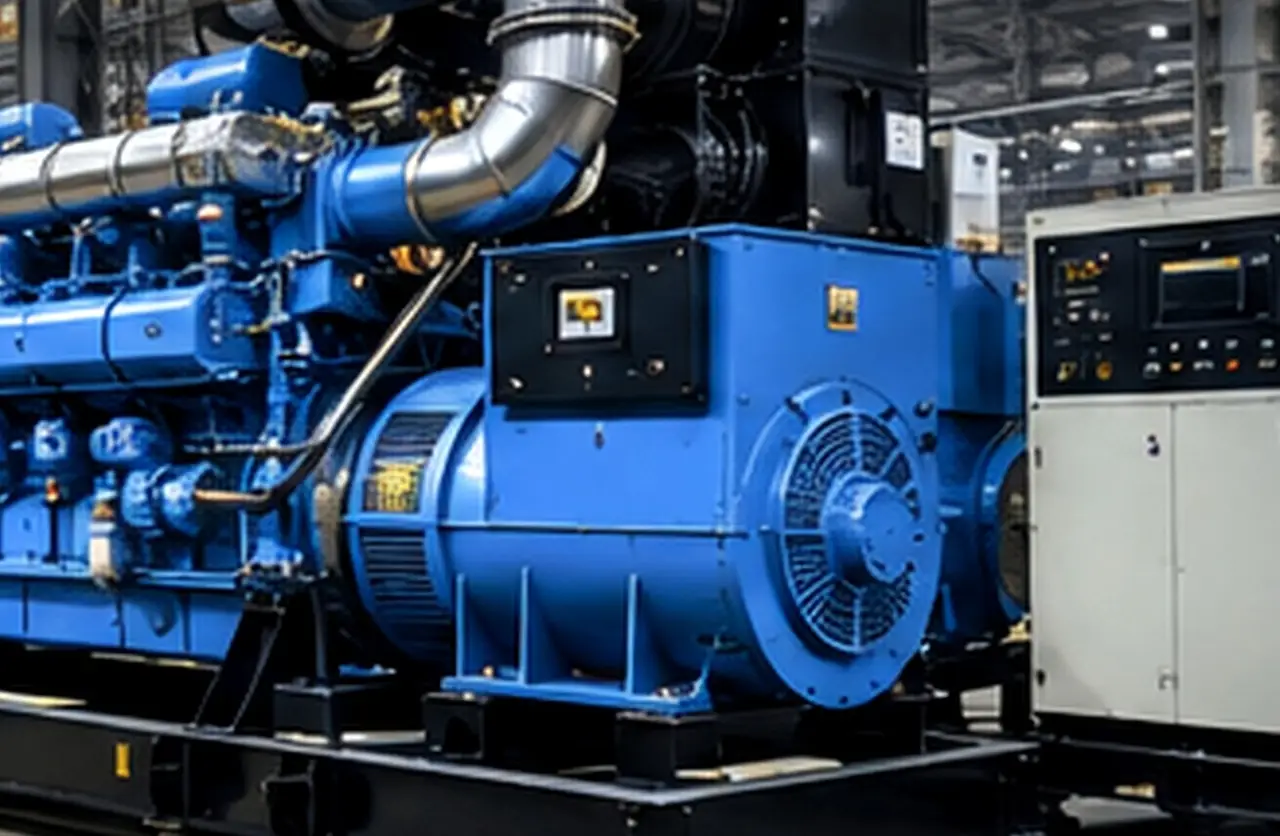
Representative diesel generator backup-power configuration
Representative visual — generator-based standby architecture.
03 · RUNTIME & FUEL AUTONOMY

Backup power must last longer than the outage scenario you are planning for.

Short outageMinutes to a few hours — transfer speed and starting reliability may matter most.
Extended outageFuel capacity, refueling access, load management and maintenance become more important.
Remote / storm eventPlan for fuel logistics, unattended operation and access constraints.
Hybrid runtimeUse storage to reduce generator hours, bridge short outages or handle silent periods.
05 · REDUNDANCY & FAILURE TOLERANCE

One backup source can still be a single point of failure.

Where downtime is costly, the buyer should define what happens if the generator, starter battery, ATS, fuel supply or one critical component fails.

Single setLowest complexity, but the set itself remains the backup system’s single point of failure.
Duty / standby pairAdd an alternate source where uptime requirement justifies it.
N+1 / parallel architectureUseful for larger or mission-critical systems requiring maintenance without total loss of backup.
Storage bridgeCan protect the transition or support critical loads if one generation element is unavailable.
Representative backup power redundancy and control system
Representative visual — redundancy, transfer and control architecture.
06 · SITE CONDITIONS

The same generator behaves differently at different sites.

AMBIENTHeat / altitude / humidity
NOISEResidential / hospital / urban limits
FUELStorage, refill and fuel-quality control
SPACEVentilation / exhaust / access / footprint
WEATHEROutdoor enclosure / IP / corrosion exposure
SERVICEMaintenance access / spare parts / local response
07 · ACCEPTANCE & HANDOVER TEST

A backup system should be proven under the conditions that matter before the first real outage.

The acceptance plan should test more than “the engine starts.” It should prove the system transfers, carries the intended load and recovers correctly.
STARTCold / automatic start
TRANSFERATS / switch sequence
LOADCritical load / step response
PROTECTIONAlarm / shutdown / protection logic
RUNTIMEFuel / thermal / duty stability
RECOVERYReturn-to-grid / cooldown / recharge
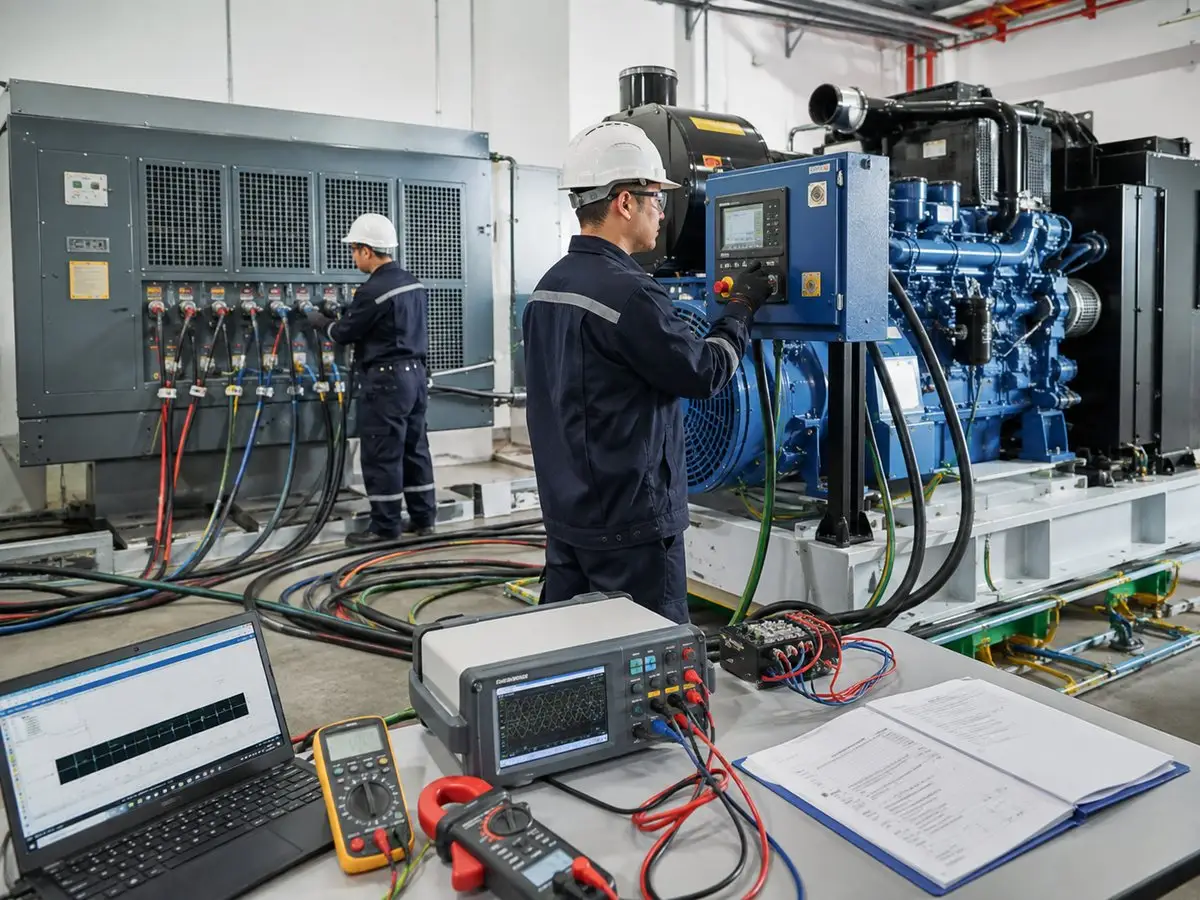
Representative backup power testing and commissioning
Representative visual — backup power test and commissioning support.
08 · WHAT THE BUYER RECEIVES

A system decision basis — not just a generator quotation.

Critical-load basisWhat must remain powered and what may be shed.
Architecture recommendationGenerator / gas / inverter / storage roles and transfer logic.
Runtime / autonomy basisFuel, storage and outage-duration assumptions.
Site-risk listAmbient, noise, ventilation, access, weather and service considerations.
Acceptance / test basisWhat should be proven before the system is considered ready.
09 · BEST FIT

Use Backup Power when continuity matters more than simply owning a generator.

COMMERCIALBusiness-critical loads
INDUSTRIALProduction / process continuity
CRITICALMedical / data / safety / security
REMOTE RISKGrid instability or long outages
HYBRID NEEDFast bridge + longer runtime architecture
10 · NEXT STEP

Send the critical load, outage scenario and site conditions.

MFG can help define whether the right solution is generator-only, redundant generation, gas, inverter, storage bridge or a hybrid architecture — and what should be verified before release.