
MFG POWERMFG POWER
Home Contact Discuss Your China Office
SOLUTION · PRODUCTION & QUALITY CONTROL

QUALITY CONTROL SHOULD START BEFORE FINAL INSPECTION.

Final inspection can catch visible problems, but it cannot undo every wrong component, unapproved change or process drift that happened earlier. MFG controls the order across production — before, during and before release.
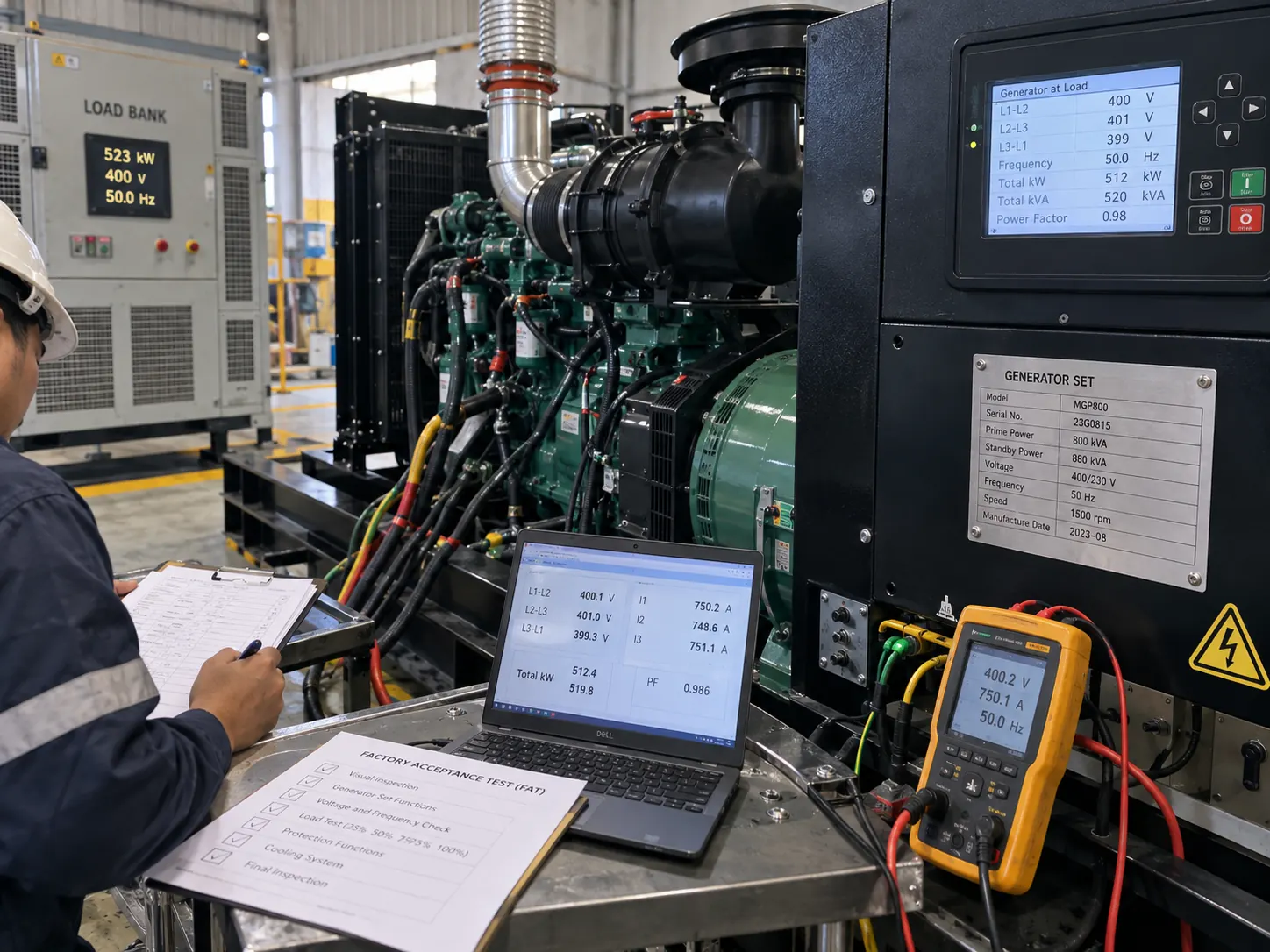
PREMIDFINALCAPARE-CHECKRELEASE
Representative production and quality control inspection in a power equipment factory
Representative production-control visual. Not presented as a named client case.
01Lock the approved basis
→
02Verify critical inputs
→
03Check production while active
→
04Inspect final condition
→
05Correct and re-check
→
06Release or hold
01 · WHY FINAL-ONLY INSPECTION FAILS

Some of the most expensive problems are already built into the order by the time final inspection starts.

Buyer-side quality control should catch the problem at the stage where it can still be corrected without rework, delay or shipment risk.

WRONG COMPONENTCritical part changed early

A late inspection may see the finished product but miss why performance or reliability changed.

PROCESS DRIFTProduction stops following the approved basis

Small deviations compound when no one checks the build while it is happening.

RECURRING DEFECTThe same issue repeats across units

Final sorting removes symptoms but may not fix the underlying process.

UNAPPROVED CHANGESupplier makes a substitution to keep schedule

Without mid-production visibility, the buyer may only learn after completion.

02 · PRE-PRODUCTION CONTROL

Before production starts, make sure everyone is building the same approved order.

Pre-production control reduces ambiguity before the factory commits material, components and process.

01Approved specification

Product version, rating, dimensions, accessories and market requirements.

02Critical components

Brands, models, material basis and approved alternates where applicable.

03Golden sample / reference

Visual, functional or technical reference where a sample is part of approval.

04Acceptance criteria

What will be checked, tested and considered pass / fail later.

05Known risks

Previous defects, sensitive steps, market-specific requirements and open items.
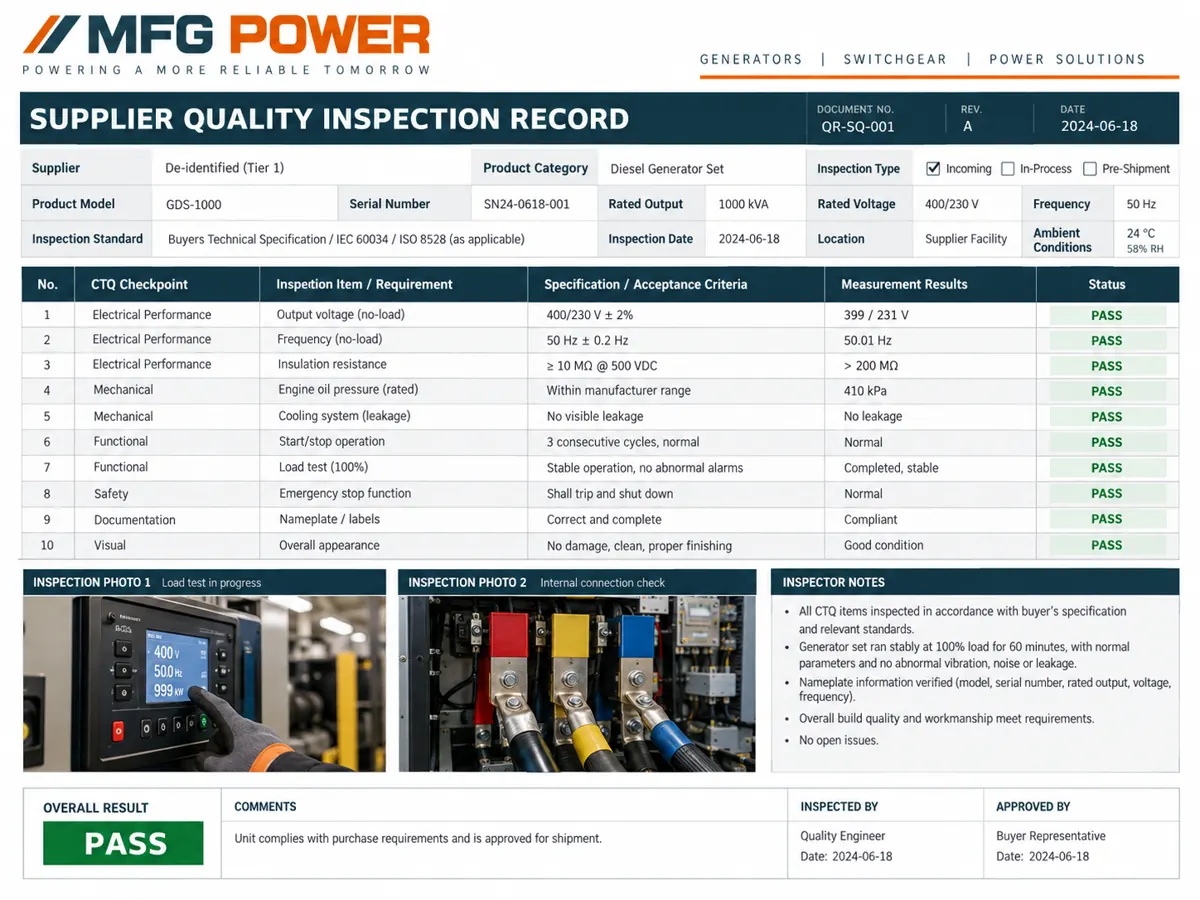
Representative mid-production inspection and build-status verification
Representative visual — mid-production verification while corrective action is still practical.
03 · MID-PRODUCTION CONTROL

Check the build while problems can still be stopped from travelling downstream.

Material / component verificationConfirm critical parts still match the approved basis.
Work-in-progress qualityLook for assembly, wiring, fastening, leakage, finishing or process defects before completion.
Production statusCheck actual progress, bottlenecks and whether schedule claims are realistic.
Deviation / change controlMake unapproved substitutions and process changes visible before they spread.
Early corrective actionFix the root issue before the same defect reaches the rest of the batch.
04 · FINAL INSPECTION

Final inspection confirms the completed order — it should not be the first time the buyer sees the risk.

The final stage checks whether the finished goods match the agreed release basis after earlier production risks have already been controlled.

PRODUCTVisual / workmanship / configuration
FUNCTIONOperation and product-specific testing
QUANTITYCount / model / version / accessories
PACKINGProtection / labels / carton / pallet
DOCUMENTSManuals / marks / records / required files
OPEN ITEMSAnything unresolved before release
05 · CRITICAL COMPONENT & CONFIGURATION CONTROL

The finished product can look correct while the inside has changed.

For power equipment, configuration control often matters as much as cosmetic inspection. The buyer should know whether critical parts changed between sample, PO and production.
Engines / motors / powertrainModel, supplier, rated basis and key internal components where scoped.
Alternator / inverter / controllerBrand, model, winding / electronics basis, firmware or functional version where relevant.
Cooling / fuel / electrical systemHoses, pumps, filters, breakers, sockets, wiring and market-specific configuration.
Product-specific critical partsPump, burner, mast, battery cell, charger or other system-specific components.
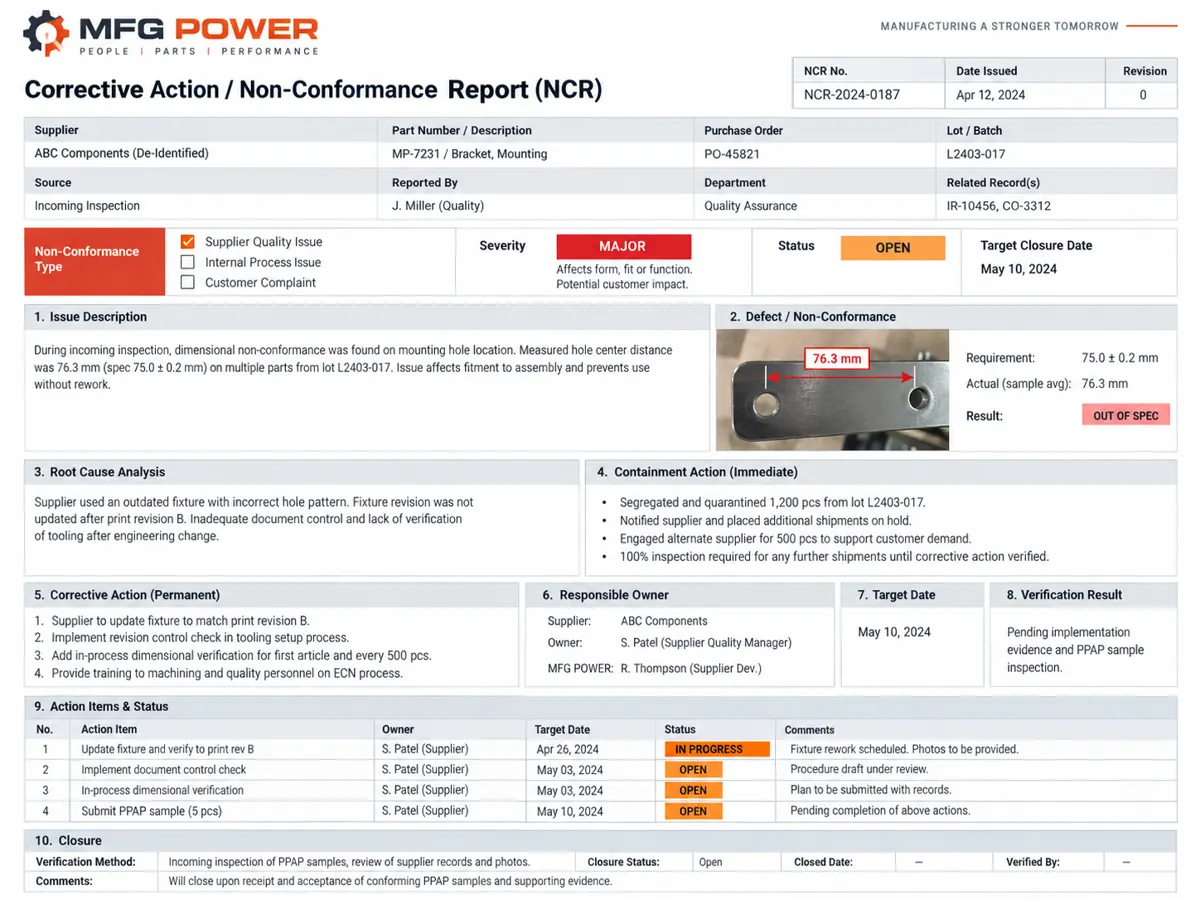
Representative component and configuration verification during quality control
Representative visual — critical-component and configuration verification.
06 · FINDING → CAPA → RE-CHECK

A finding is not closed because the supplier says it has been corrected.

The buyer-side loop should separate discovery, corrective action and closure. Re-check is what confirms whether the issue is actually resolved.

01Finding

What is wrong, where and how much of the order may be affected?

→
02Containment

Stop affected material or product from moving forward.

→
03Corrective Action

Define what changes in product, process, material or instruction.

→
04Re-check

Verify the correction on the product / process, not only in writing.

→
05Closure

Confirm what is closed, what remains open and what still needs buyer approval.

07 · RELEASE GATE

Shipment release should be a buyer decision supported by evidence.

PASSRelease

Agreed criteria met and no material open issue remains.

CONDITIONALRelease with buyer approval

Known deviation is documented and intentionally accepted.

RE-CHECKHold pending verification

Corrective action exists but closure still needs confirmation.

FAILHold shipment

Material defect, missing evidence or unresolved risk remains.
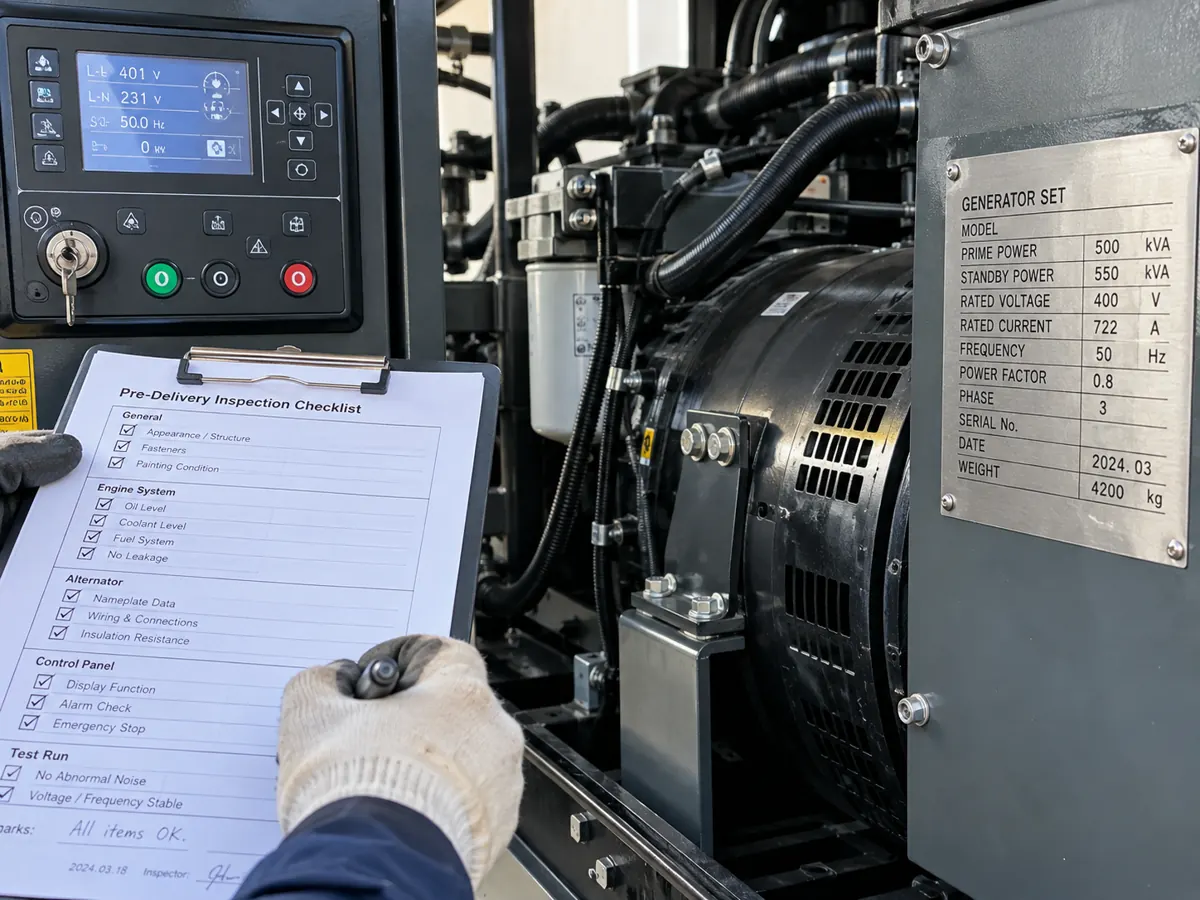
Representative final inspection evidence and release decision workflow
Representative visual — final evidence and shipment-release support.
08 · WHAT THE BUYER RECEIVES

Enough information to decide whether the order should move forward.

Production statusActual stage, delays, bottlenecks and open risks.
Inspection findingsObserved defects, configuration issues and test results where scoped.
Corrective-action statusOpen · in action · re-checked · closed.
Evidence packPhotos, measurements, records and relevant verification evidence.
Release viewRelease · conditional · re-check · hold.
09 · BEST FIT

Use Production & Quality Control when the order needs active buyer-side control across the build.

NEW SUPPLIERFirst production needs closer control
REPEAT DEFECTFinal inspection alone is not fixing the problem
CRITICAL COMPONENTSUnapproved changes would matter
LARGE / IMPORTANT ORDERLate rework would be expensive
NEED RELEASE EVIDENCEBuyer wants a controlled decision basis
10 · NEXT STEP

Send the PO, specification, production status or current quality problem.

MFG can define whether the right next step is Pre-Production Review, Mid-Production Inspection, Final Inspection, corrective-action follow-up or an independent re-check.