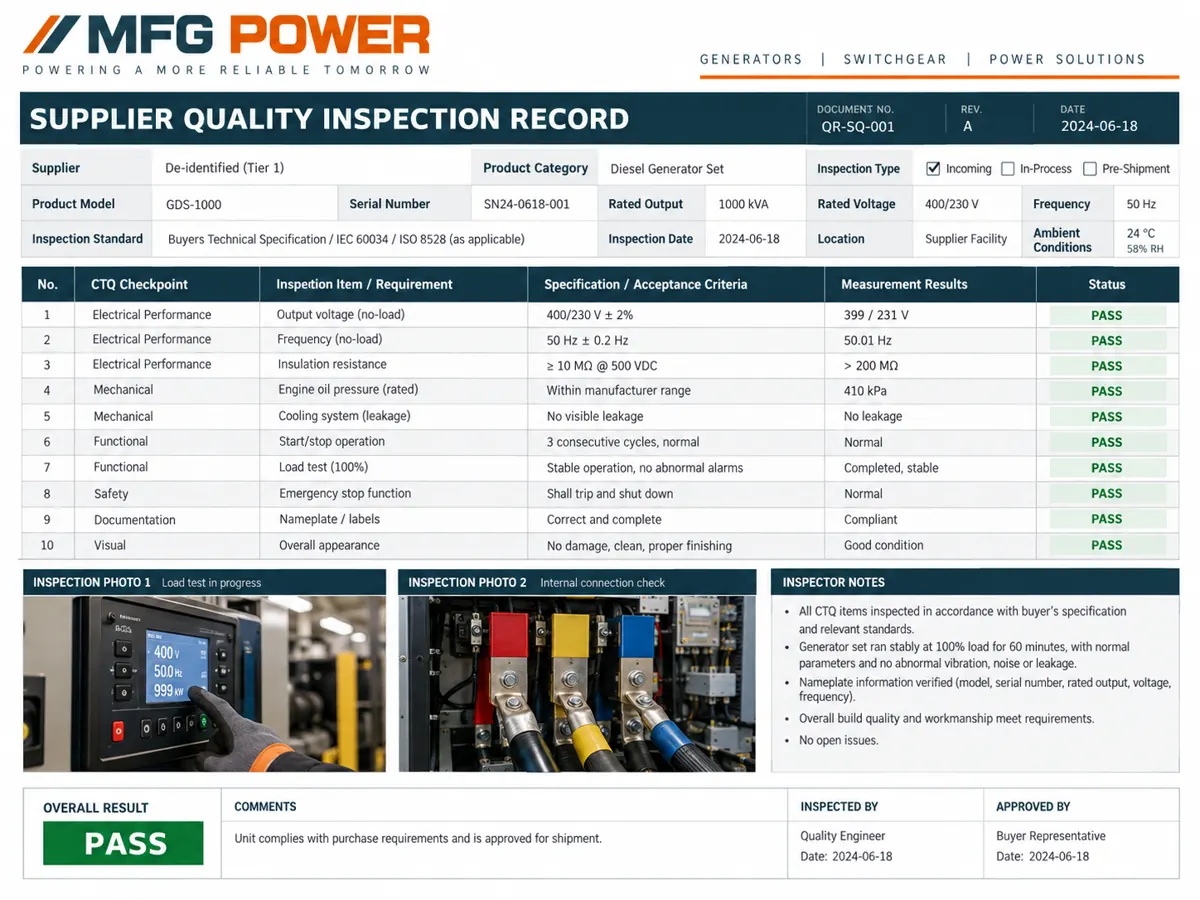
BUILD AN ALTERNATIVE SUPPLIER WITHOUT CREATING A NEW RISK.
A second source only reduces risk when the new supplier can deliver the approved product, quality level and operating basis — not just a similar quotation or sample.
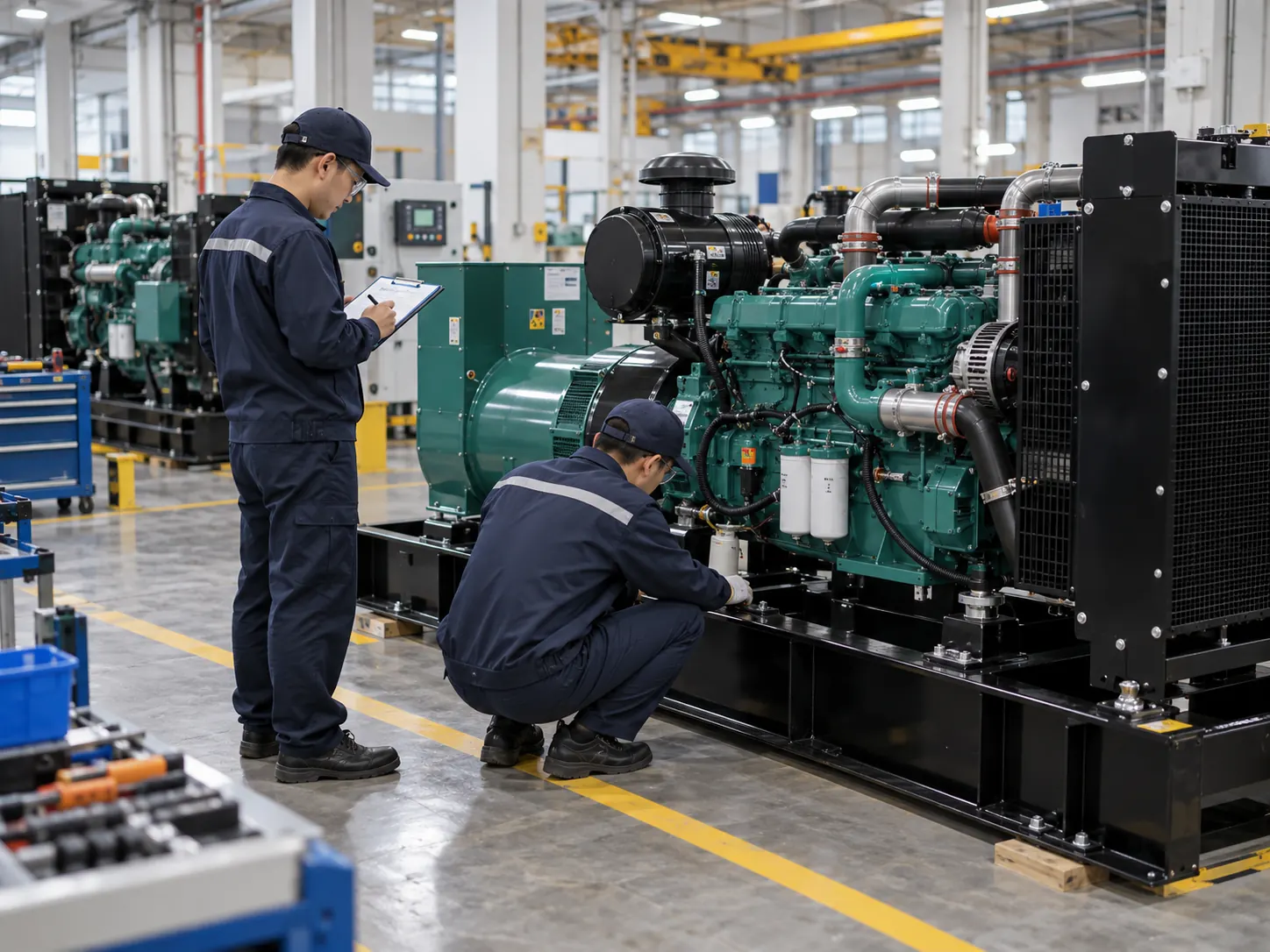
Backup supply is not only about price. It is about operating leverage and continuity.
The right reason changes the qualification plan. A capacity backup, cost benchmark, regional diversification or technical upgrade may need different evidence before nomination.
Reduce dependence on one supplier, location or production line.
Add qualified capacity without weakening the product basis.
Compare cost and terms against a supplier that can actually execute.
Improve configuration, quality control, engineering depth or service support.
If the buying basis changes, the “second source” may not be equivalent.
Before comparing factories, define what must stay fixed and what may change. Otherwise price differences can hide product differences.
Use case, load, environment, runtime and market conditions.
Engine, alternator, controller, inverter, pump, burner or other product-specific components.
Rating, efficiency, noise, temperature, protection and test conditions.
Voltage, frequency, plugs, labels, documents and applicable requirements.
What must be verified before sample, trial and release approval.
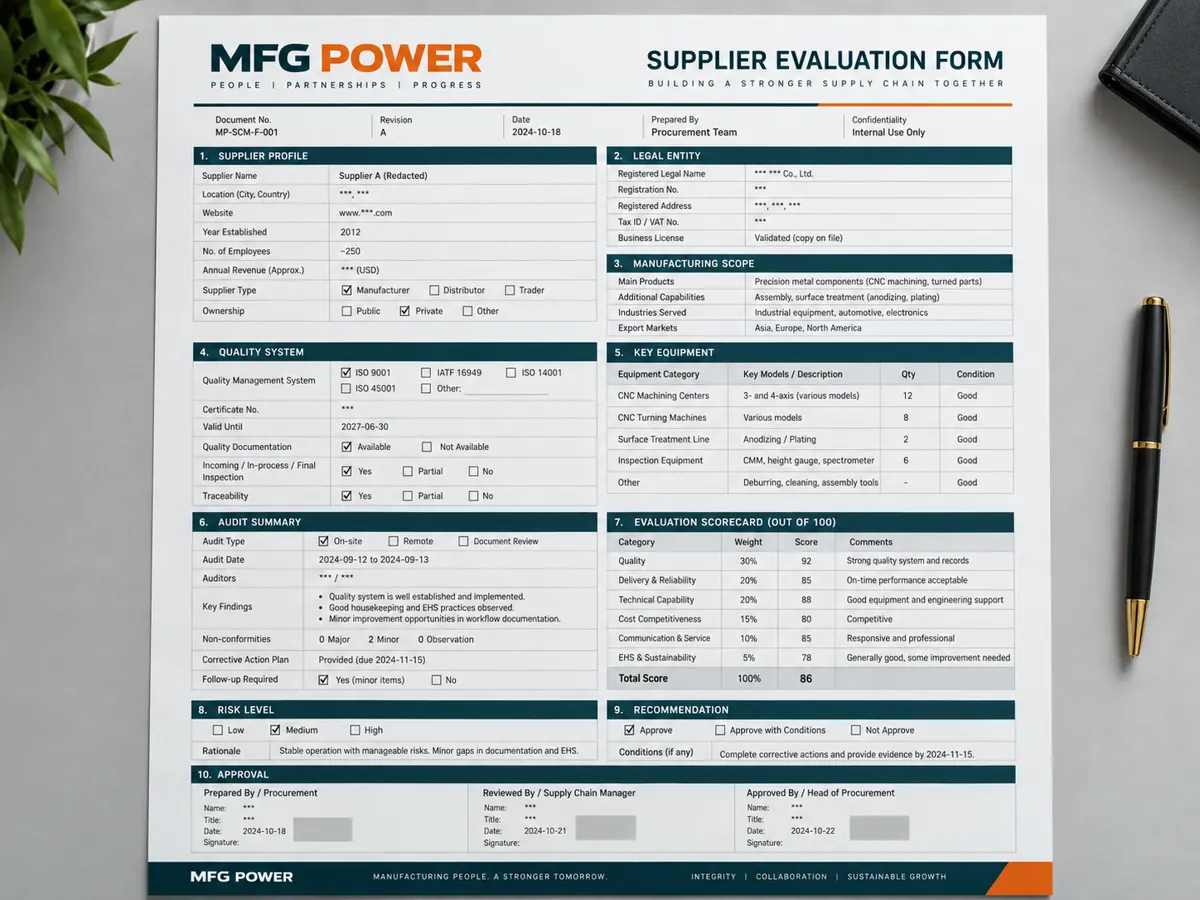
A factory tour is not the same as proving supplier capability.
Do not compare two quotations until you know they describe the same buying basis.
A lower price may come from a different component, test basis, duty rating, warranty path or market version. Those differences need to be visible before nomination.
Qualification is not complete when the sample looks good.
The trial should prove repeatability, not just first-piece appearance. The supplier has to show that the approved basis can survive normal production.
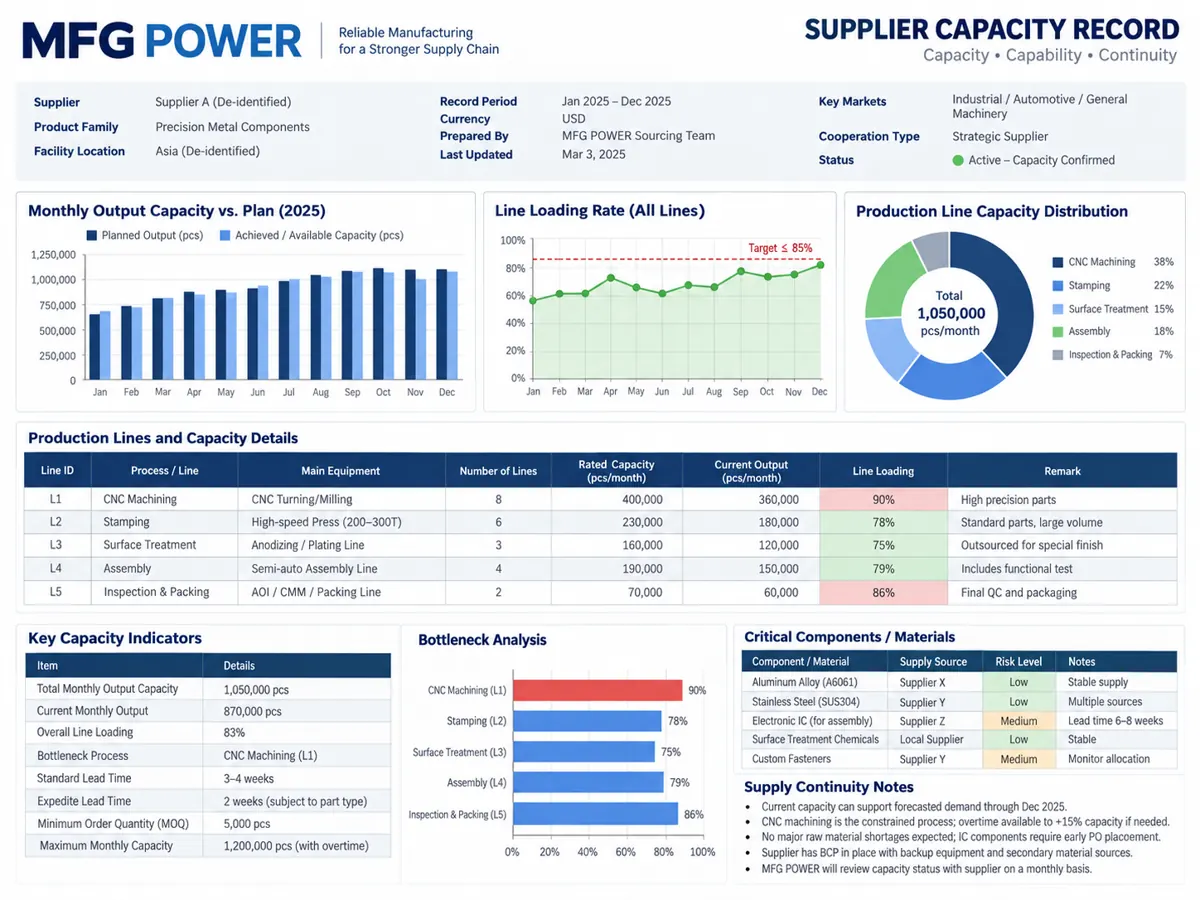
A candidate becomes a second source only when the buyer can use it with controlled risk.