
WHAT KEEPS THE SITE RUNNING WHEN POWER IS THE OPERATION — NOT JUST THE BACKUP?
When generated power is the normal source, uptime depends on duty, real load, ambient conditions, fuel autonomy, redundancy, monitoring, maintenance and recovery — not just the generator nameplate.
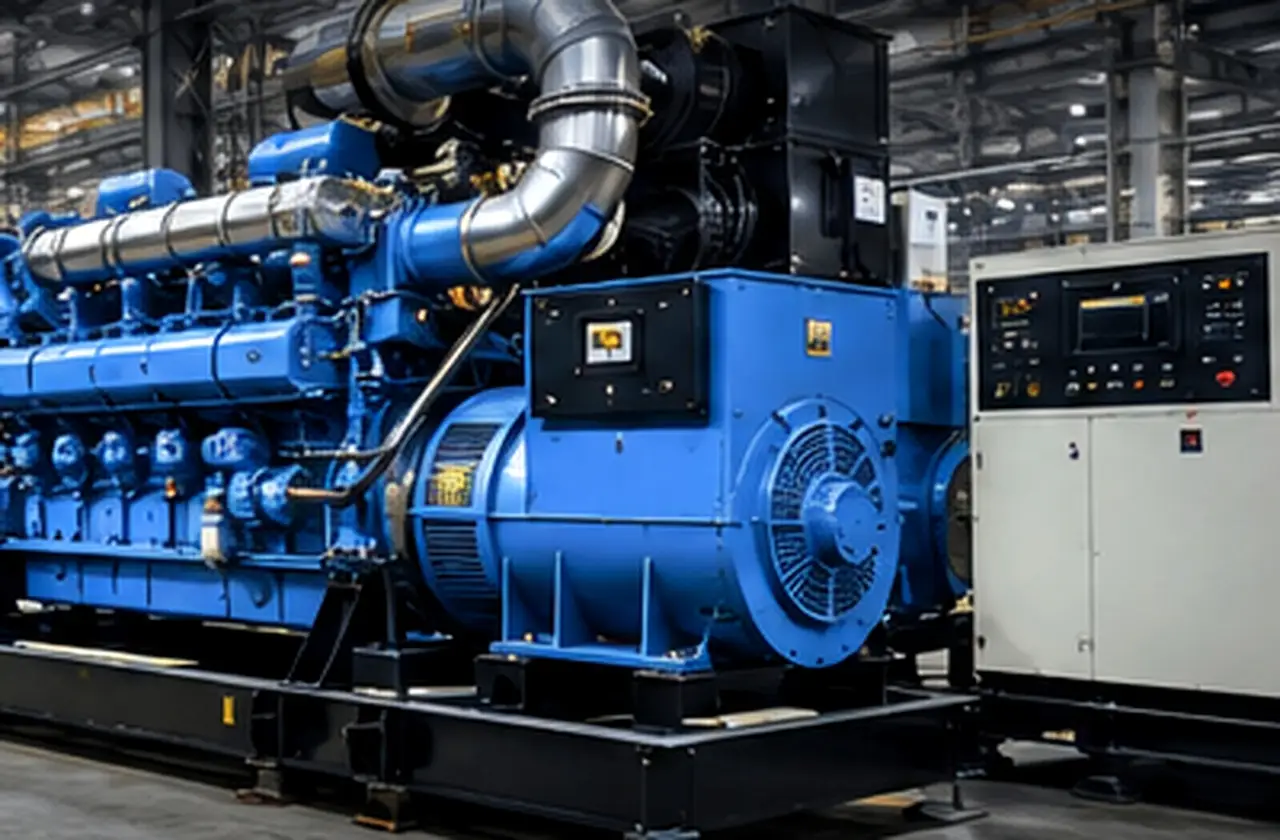
8 hours a day and 24 hours a day should not be treated as the same requirement.
The duty definition changes sizing, fuel planning, cooling, maintenance, redundancy and expected component life.
Designed around outages and limited annual runtime.
Generated power is part of normal site operation.
Rating basis, thermal margin and maintenance strategy become stricter.
Generator / storage / transfer logic may operate frequently, not only in emergencies.
The same peak kW can justify a different system when the load profile changes.
Prime-power sizing should reflect average load, peaks, starting loads, low-load periods and daily operating hours.
What does the site carry most of the time?
What is the highest sustained demand?
Motors, pumps and compressors may dominate short-duration sizing.
Very low loading can create efficiency and maintenance problems on some gensets.
Operating hours determine service intervals, fuel use and lifecycle expectations.
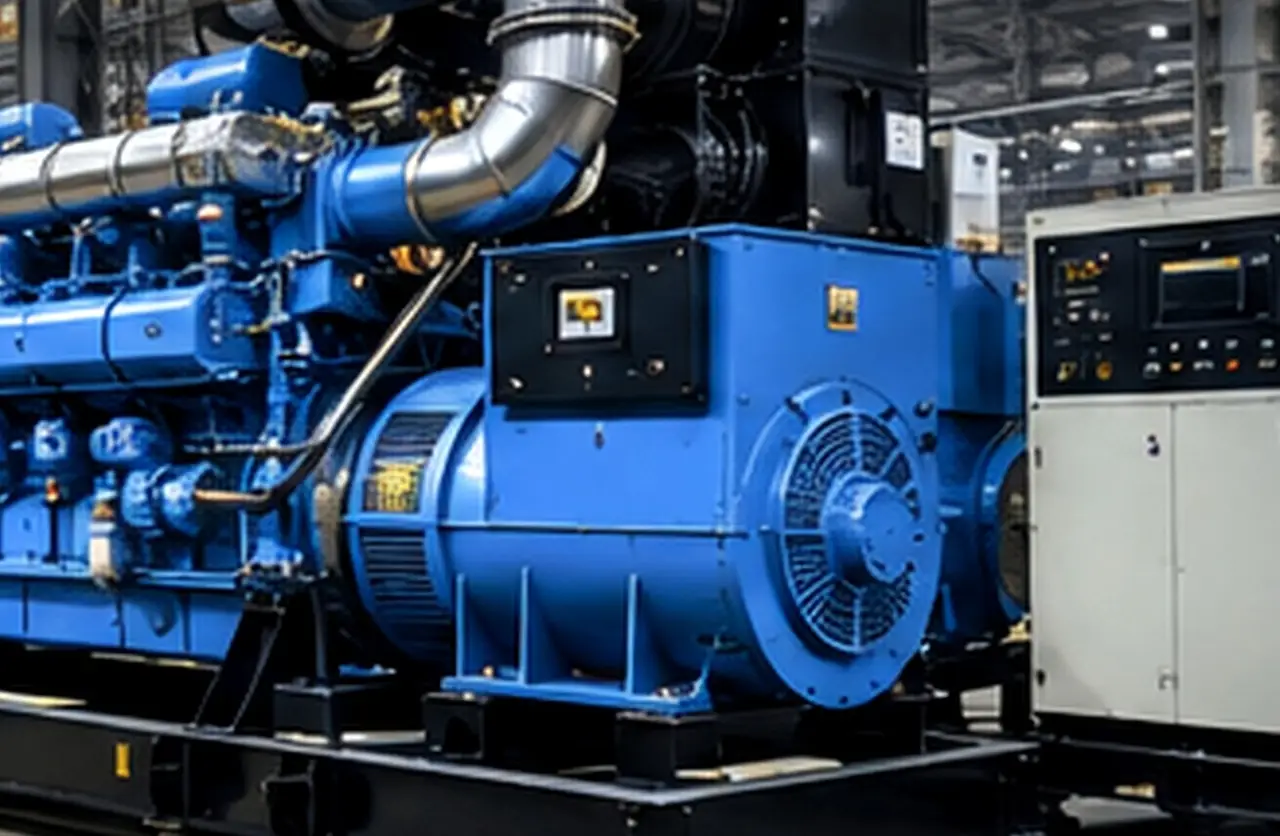
The nameplate rating is not always the site rating.
Temperature, altitude, humidity, ventilation and enclosure conditions can reduce usable power and increase thermal stress.
The fuel system is part of the power system.
Remote uptime can be lost by an undersized day tank, poor transfer arrangement, contaminated fuel or a refueling plan that assumes access will always be easy.
If the site cannot stop, one running generator may not be enough.
Redundancy should follow the cost of downtime and the site’s ability to maintain equipment without shutting the operation.
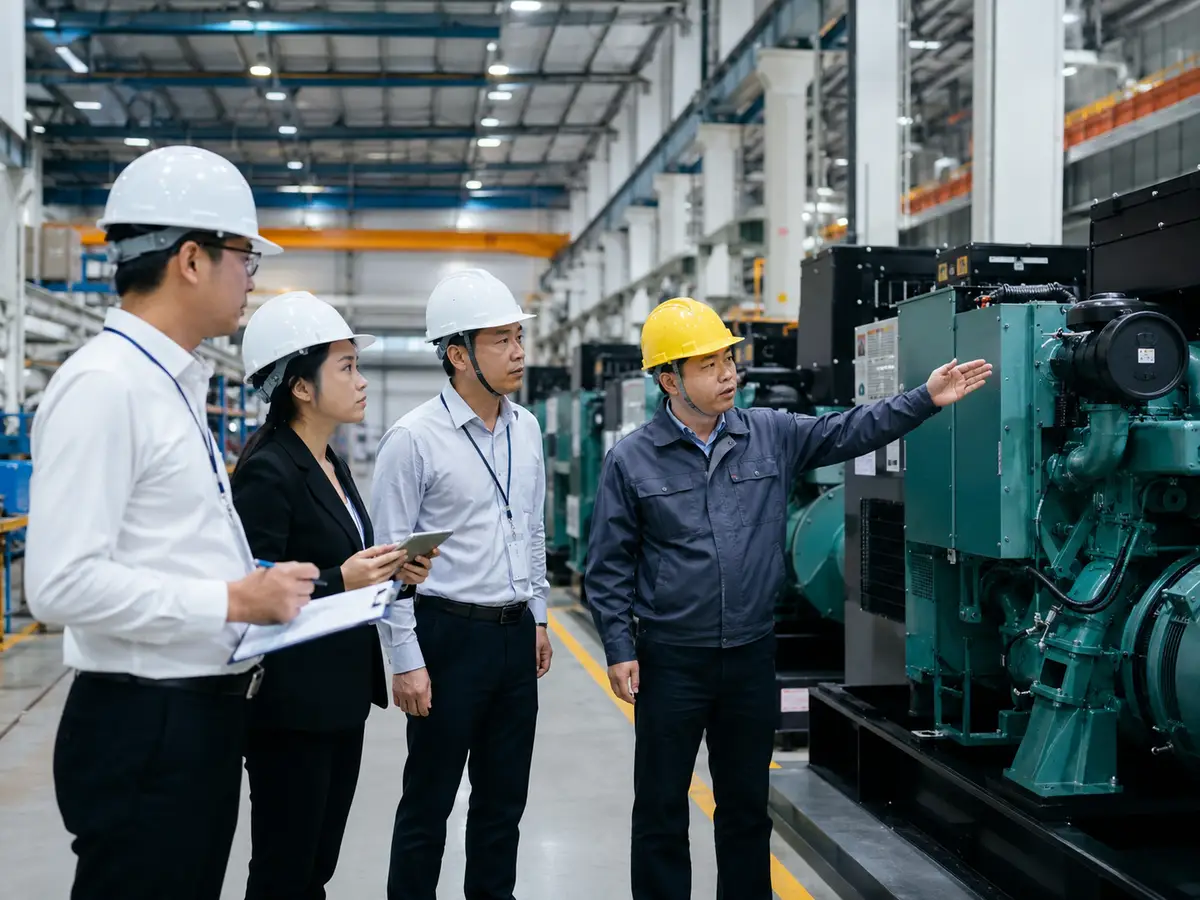
Remote sites need visibility before they need another dashboard.
The monitoring plan should surface the information that changes an operating or maintenance decision.
If the site cannot stop, maintenance cannot be an afterthought.
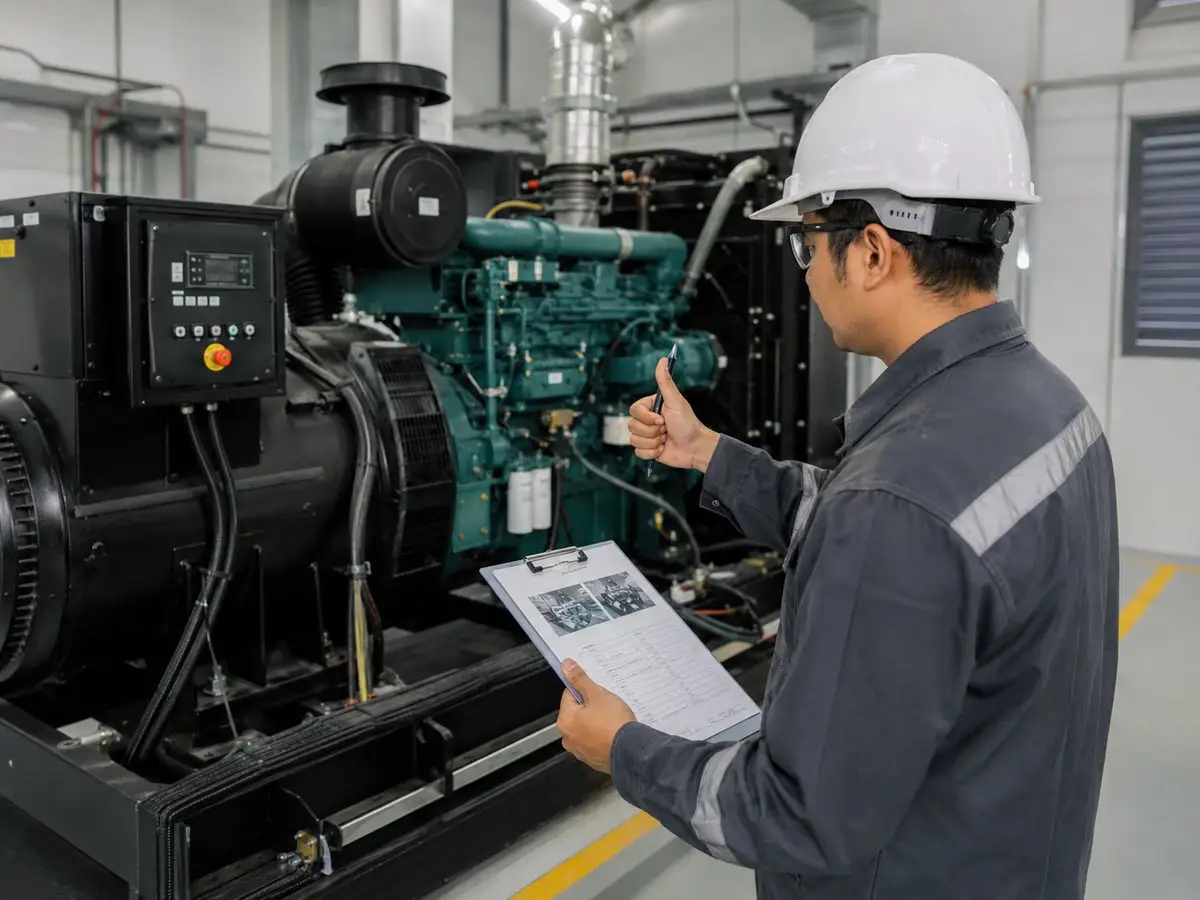
Remote uptime depends on what happens after the first failure.
The operating concept still has to survive supplier comparison and commissioning.
An operating basis for uptime — not just a generator quotation.
Prime / continuous assumptions, load profile and runtime.
Ambient, altitude, airflow and enclosure considerations.
Consumption, storage, transfer and refueling assumptions.
Single / duty-standby / N+1 / monitoring and maintenance logic.
What must be verified before the site is treated as operationally ready.